Quick answer
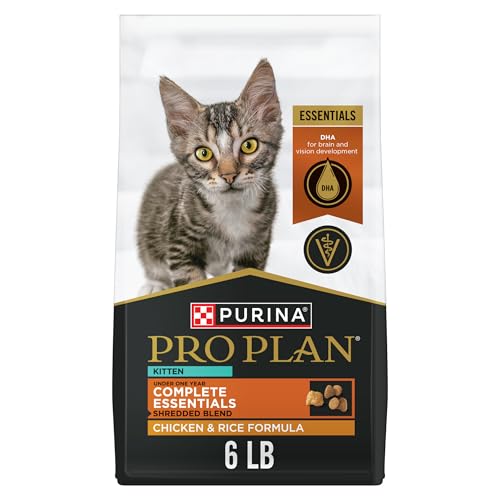
Our top pick for most short hair kittens is Royal Canin Feline Health Nutrition Kitten Dry Food because it’s formulated with balanced nutrients for healthy growth and a shiny coat. For kittens with sensitive stomachs, Purina Pro Plan Kitten Chicken & Rice Formula is a great alternative. If you prefer wet food, Wellness CORE Grain-Free Kitten Formula provides high moisture and protein.
What to consider for Kitten Food For Short Hair Cats
Short hair cats have a single coat that sheds less than long hair breeds, but they still need omega fatty acids for skin and coat health. Kittens require a diet with high protein (around 30-35% dry matter) and moderate fat for energy, plus DHA for brain and eye development. Because short hair kittens are often active, look for a food that meets AAFCO kitten requirements and includes named animal protein as the first ingredient. Avoid foods with excessive carbohydrates or fillers.
What to look for in a cat food
First, ensure the food has an AAFCO statement indicating it is complete and balanced for growth or all life stages. The first ingredient should be a named meat (e.g., chicken, salmon) to provide animal protein. Taurine is an essential amino acid for cats; it must be present in adequate amounts. Moisture content matters: wet food (around 75-85% moisture) supports urinary tract health, while dry food (6-10% moisture) is convenient and helps with dental health. For kittens, DHA from fish oil or other sources supports cognitive development. Finally, choose a food appropriate for your kitten’s life stage; avoid all-life-stages foods unless specifically recommended by your vet.
How we chose these picks
- Evaluated nutritional adequacy based on AAFCO kitten guidelines.
- Reviewed ingredient lists for named animal proteins and absence of artificial additives.
- Considered brand reputation and history of quality control.
- Checked for inclusion of essential nutrients like taurine and DHA.
- Compared price per serving to ensure value.
- Read customer feedback for palatability and digestive tolerance.
- Consulted veterinary nutrition resources for guidance.
- Never ranked a product higher just because it pays a commission.
What to avoid
- Avoid foods with unnamed meat sources (e.g., “meat meal” or “poultry by-product”) as they indicate lower quality.
- Steer clear of recipes with insufficient animal protein (below 30% dry matter for kittens).
- Do not choose a food that lacks taurine supplementation or has low taurine levels.
- Avoid defaulting to all-life-stages food for a kitten without verifying it meets kitten-specific needs.
- Do not abruptly switch your kitten’s diet; transition over 7 to 10 days to avoid digestive upset.
For more information, visit our cat guides, cat food, and cat health sections.