Quick answer
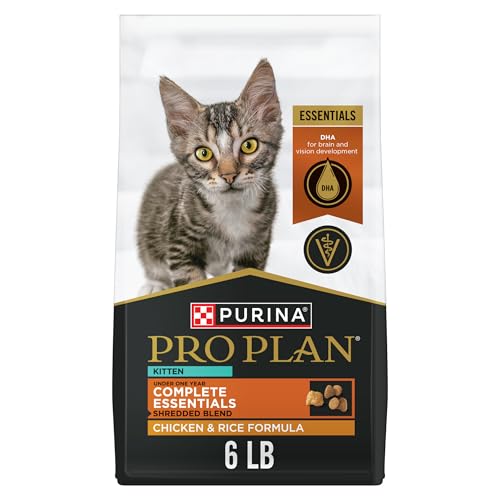
Our top pick is Purina Pro Plan Kitten Chicken & Rice Formula. It offers high-quality protein, DHA for brain development, and a kibble shape that works well for multiple kittens. For a budget-friendly option, consider Iams Proactive Health Kitten. If your kittens have sensitive stomachs, Hill’s Science Diet Kitten Chicken Recipe is a great choice.
What to consider for Kitten Food For Multi Cat Homes
In a multi-cat home, you need a food that appeals to all kittens and supports their rapid growth. Look for a complete and balanced formula with DHA for cognitive development and antioxidants for immune health. The kibble size and shape should be easy for kittens to eat, and the bag size should be convenient for multiple feedings. Also, consider the cost per pound, as you’ll go through food faster.
What to look for in a cat food
First, ensure the food has an AAFCO statement confirming it is complete and balanced for growth or all life stages. The first ingredient should be a named meat source (e.g., chicken, salmon) to provide high-quality animal protein. Kittens need adequate taurine, an essential amino acid for heart and eye health. Wet food provides moisture, which supports urinary health, but dry food can be more convenient for free-feeding in multi-cat homes. Choose a formula tailored to kittens or all life stages.
How we chose these picks
- Evaluated AAFCO nutritional adequacy statements for growth or all life stages.
- Reviewed ingredient lists for named meat sources and absence of artificial additives.
- Considered kibble size and shape suitable for kitten mouths.
- Assessed palatability based on customer reviews for multi-cat households.
- Checked for added DHA and omega fatty acids for brain and coat health.
- Compared price per pound to ensure value for multiple cats.
- Prioritized brands with a history of rigorous quality control.
- Never ranked a product higher just because it pays a commission.
What to avoid
- Avoid foods with unnamed meat sources (e.g., “meat meal”) or low animal protein content.
- Steer clear of recipes that lack taurine or have insufficient levels for kittens.
- Do not default to all-life-stages food for kittens without verifying it meets growth requirements.
- Avoid abrupt diet switches; transition gradually over 7 to 10 days to prevent digestive upset.
For more guidance, check out our cat guides, cat food, and cat health resources.


