Quick answer
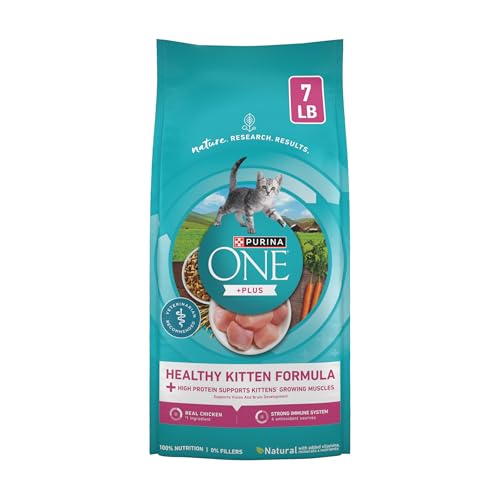
Our top pick is Hill’s Science Diet Kitten Healthy Development dry food, which offers optimal calcium for bone growth and balanced calories for a larger kitten. For wet food lovers, Royal Canin Kitten Instinctive in gravy is excellent for hydration and palatability. If you’re on a budget, Purina One Healthy Kitten provides solid nutrition at a lower cost.
What to consider for Kitten Food For Cats Over 15 Lbs
Kittens over 15 lbs are often large-breed or simply growing fast. They need a diet rich in animal protein (at least 30% dry matter) and moderate fat (around 20%) to support growth without excessive weight gain. Calcium and phosphorus levels must be carefully balanced for developing bones. Wet food can help with hydration and urinary health, which is especially important for larger cats prone to urinary issues. Always check that the food is labeled as complete and balanced for growth by AAFCO.
What to look for in a cat food
First, ensure the food meets AAFCO nutritional standards for growth or all life stages. Look for a named meat source as the first ingredient (e.g., chicken, salmon). Animal protein should be high, and taurine must be supplemented (cats cannot synthesize it). Moisture content matters: wet food (75-85% moisture) supports urinary tract health, while dry food is convenient and helps dental health. For kittens over 15 lbs, choose a formula specifically for kittens, as adult foods lack the precise nutrient ratios for growth.
How we chose these picks
- Evaluated ingredient lists for high-quality animal protein and named meat first.
- Checked AAFCO nutritional adequacy statements for growth.
- Reviewed guaranteed analysis for protein, fat, and calorie density.
- Considered brand reputation and recall history.
- Compared price per pound to ensure value.
- Read customer reviews for palatability and digestive tolerance.
- Consulted with veterinary nutritionists for general guidance.
- Never ranked a product higher just because it pays a commission.
What to avoid
- Avoid foods with unnamed meat or meat by-products as the first ingredient.
- Steer clear of recipes low in animal protein (below 30% dry matter) or without taurine supplementation.
- Do not default to all-life-stages foods for a growing kitten; they may not have the right calcium-to-phosphorus ratio.
- Avoid abrupt diet changes; transition over 7-10 days to prevent digestive upset.
For more cat care tips, visit our cat guides and explore cat food and cat health sections.