Quick answer
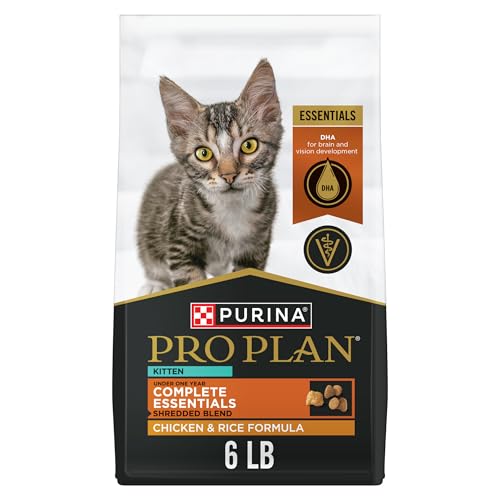
For most apartment kittens, we recommend Royal Canin Feline Health Nutrition Kitten Dry Food. It provides precise nutrients for growth, with moderate calories to prevent weight gain in a less active indoor environment. If your kitten has a sensitive stomach, Hill’s Science Diet Kitten Chicken Recipe is a great alternative. For budget-conscious owners, Purina Pro Plan Kitten Chicken & Rice Formula delivers solid nutrition.
What to consider for Kitten Food For Cats In Apartments
Apartment kittens often have limited space to run and climb, so they may be less active than outdoor or house-with-yard kittens. This means their food should provide balanced nutrition without excessive calories that could lead to obesity. Look for a formula with moderate fat content (around 20-25% on a dry matter basis) and adequate protein (at least 35%) to support growth without packing on extra pounds. Also consider that apartment living may increase stress, so a food with added omega-3 fatty acids can support skin and coat health. Wet food can help with hydration, as cats in small spaces may not drink enough water.
What to look for in a cat food
First, ensure the food carries an AAFCO statement of nutritional adequacy for growth (kittens) or all life stages. The first ingredient should be a named meat (e.g., chicken, salmon) to guarantee animal protein. Look for a guaranteed analysis showing at least 30% protein and 20% fat for kittens. Taurine is essential for heart and eye health, so it must be added. Moisture content matters: wet food (75-85% moisture) supports urinary tract health, while dry food (6-10% moisture) is convenient. For apartment kittens, a formula with moderate calorie density (around 350-400 kcal per cup) helps prevent overfeeding.
How we chose these picks
- Evaluated ingredient lists for named meat as first ingredient and absence of artificial colors or preservatives.
- Checked AAFCO statements to confirm suitability for kittens.
- Compared guaranteed analysis to ensure protein, fat, and taurine levels meet kitten requirements.
- Considered calorie density to match the lower activity level of indoor apartment kittens.
- Reviewed brand reputation and history of recalls.
- Read customer feedback on palatability and digestive tolerance.
- Selected a range of price points to suit different budgets.
- Never ranked a product higher just because it pays a commission.
What to avoid
- Foods without a named meat source (e.g., “meat meal” or “poultry by-product” without specifying species).
- Recipes that do not guarantee taurine supplementation.
- Using an all-life-stages food for a kitten without checking that it meets the higher nutrient density required for growth.
- Abruptly switching diets; always transition over 7-10 days to avoid digestive upset.
For more guidance, browse our cat guides, cat food, and cat health resources.