Quick answer
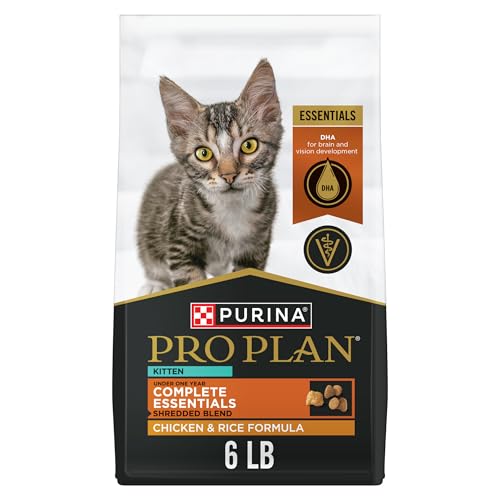
Our top pick is Hill’s Science Diet Kitten Healthy Development Chicken Recipe. It offers balanced nutrition with DHA for brain development, appropriate calcium for bones, and is made by a trusted brand. For a budget-friendly option, Purina Pro Plan Kitten Chicken & Rice Formula is excellent. If your kitten has a sensitive stomach, consider Royal Canin Kitten Digestive Care.
What to consider for Kitten Food For First Time Cat Owners
First-time cat owners often overlook that kittens need a complete and balanced diet specifically formulated for growth. Unlike adult cats, kittens require higher protein, fat, calcium, and phosphorus to support rapid development. Look for an AAFCO statement confirming the food is for growth. Also consider your kitten’s breed, activity level, and any known sensitivities. Wet food provides hydration, while dry food can aid dental health. Many owners find a combination works best.
What to look for in a cat food
Always check for an AAFCO nutritional adequacy statement for the correct life stage. The first ingredient should be a named meat source like chicken or salmon, not a by-product meal. Animal protein should be high, as cats are obligate carnivores. Taurine is an essential amino acid that must be added to commercial diets. Wet food has higher moisture content, supporting urinary tract health. For kittens, ensure the food is labeled for growth or all life stages, but avoid adult-only formulas.
How we chose these picks
- We evaluated ingredient quality and named meat sources.
- We checked for AAFCO statements and life-stage appropriateness.
- We considered brand reputation and manufacturing standards.
- We compared nutritional profiles for protein, fat, and essential nutrients.
- We read customer feedback for palatability and digestive tolerance.
- We balanced price across different budgets.
- We looked for variety in texture and moisture content.
- Never ranked a product higher just because it pays a commission.
What to avoid
- Foods with vague ingredients like “meat meal” or “animal fat” without named species.
- Recipes lacking taurine or with insufficient animal protein.
- Relying on all-life-stages food for a kitten without verifying it meets growth requirements.
- Switching diets abruptly; transition over 7 to 10 days to avoid digestive upset.
For more guidance, visit our cat guides, cat food reviews, and cat health tips.