Quick answer
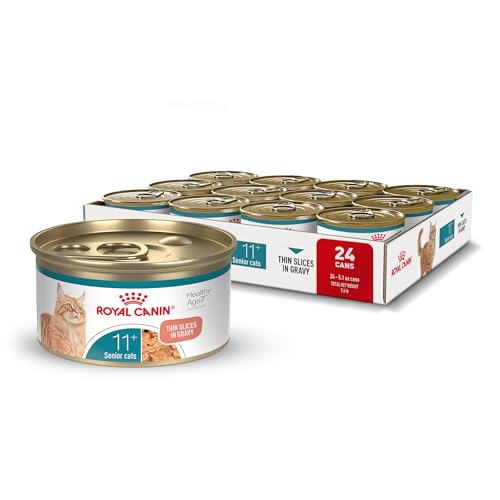
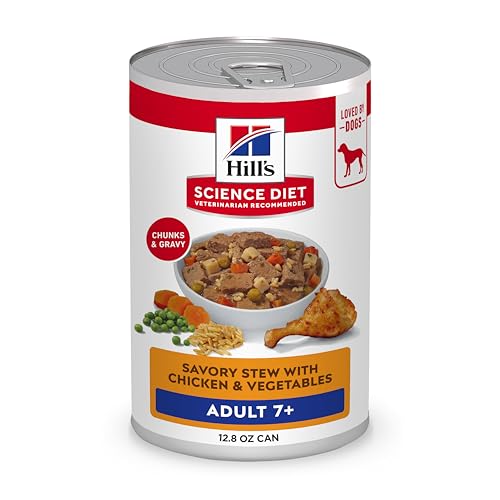
For senior cats that need enrichment, our top pick is Hill’s Science Diet Adult 11+ Savory Stew with Chicken & Vegetables. Its chunky, brothy texture encourages natural foraging behaviors, and it’s formulated with balanced nutrition for aging cats. If your cat prefers dry food, Royal Canin Aging 12+ Thin Slices in Gravy offers a similar interactive experience. For a budget-friendly option, Purina Pro Plan Prime Plus Adult 7+ Shredded Blend provides texture variety and brain-supporting nutrients.
What to consider for Senior Cat Food For Cats That Need Enrichment
Senior cats often experience decreased mobility, dental issues, and cognitive decline. Enrichment through food means choosing textures that encourage chewing and licking (like shreds, chunks, or pate with gravy) and incorporating novel proteins or added omega-3s for brain health. Wet food can also increase water intake, supporting kidney function. Look for recipes with moderate phosphorus and sodium to protect aging kidneys, and added antioxidants like vitamin E and beta-carotene to support the immune system. Puzzle feeders can further enhance mental stimulation, so consider foods that fit well in these devices.
What to look for in a cat food
When selecting cat food, ensure it carries an AAFCO statement of nutritional adequacy for the appropriate life stage (senior or adult maintenance). The first ingredient should be a named meat source (e.g., chicken, salmon) to provide high-quality animal protein. Taurine is an essential amino acid for cats; verify it is added in adequate amounts. Moisture content matters: wet food (around 78% moisture) supports urinary tract health, while dry food (around 10% moisture) is more convenient but requires ample fresh water. For seniors, look for controlled phosphorus and sodium levels, plus joint-supporting nutrients like glucosamine and chondroitin if needed.
How we chose these picks
- We evaluated products based on ingredient quality, focusing on named meat sources and absence of artificial additives.
- We prioritized foods with textures that encourage natural feeding behaviors (shreds, chunks, or broths) to promote enrichment.
- We considered nutritional profiles tailored for senior cats, including moderate protein, reduced phosphorus, and added omega-3 fatty acids.
- We reviewed brand reputation and adherence to AAFCO and WSAVA guidelines.
- We selected products across different price points and formats (wet, dry, and combination) to suit various budgets and preferences.
- We checked for inclusion of functional ingredients like antioxidants, glucosamine, and prebiotics for senior health.
- We avoided products with excessive fillers, unnamed meat meals, or ambiguous fat sources.
- Never ranked a product higher just because it pays a commission.
What to avoid
- Avoid foods with no named meat source or very low animal protein content, as cats are obligate carnivores.
- Steer clear of recipes that do not guarantee taurine supplementation, as deficiency can cause serious health issues.
- Do not default to all-life-stages food for a senior cat without checking if it meets the specific needs of older felines (e.g., lower phosphorus).
- Avoid abrupt diet switches; transition over 7 to 10 days to prevent digestive upset.
Explore more of our cat guides, including cat food and cat health resources.