Quick answer
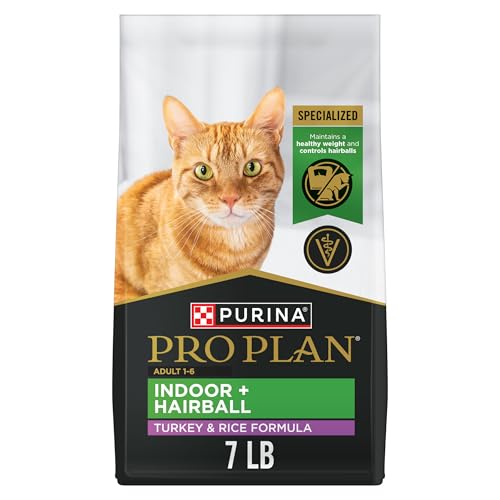
Our top pick for indoor cats with dry skin is Hill’s Science Diet Adult Indoor Cat Food. It’s formulated with balanced omega-6 fatty acids to support healthy skin and a shiny coat, plus it’s lower in calories to match a less active lifestyle. For a budget-friendly option, Purina Pro Plan Indoor Care Turkey & Oatmeal provides quality protein and omega fatty acids. If your cat prefers wet food, Wellness CORE Grain-Free Indoor Formula offers high moisture and omega-3s from salmon.
What to consider for Indoor Cat Food For Dry Skin
Indoor cats face unique challenges: they are less active, often overweight, and exposed to dry indoor air that can strip moisture from their skin. Dry skin may also result from inadequate dietary fat, especially omega-3 and omega-6 fatty acids. Look for foods with named animal protein (like chicken or fish) as the first ingredient, and added sources of essential fatty acids such as fish oil, flaxseed, or sunflower oil. Moisture content matters: wet food provides extra hydration, which can improve skin elasticity. Also consider calorie density: indoor cats need fewer calories to prevent obesity, which can exacerbate skin issues. Always choose a complete and balanced formula for your cat’s life stage.
What to look for in a cat food
When choosing a cat food for dry skin, prioritize an AAFCO statement confirming it’s complete and balanced for your cat’s life stage (adult, kitten, or senior). The first ingredient should be a named meat (e.g., chicken, salmon) to ensure adequate animal protein. Cats require taurine, an essential amino acid found only in animal tissue, so verify the food contains added taurine. Moisture content is important: wet foods (70-85% moisture) aid hydration and urinary health, while dry foods (6-10% moisture) are convenient but may require additional water intake. For dry skin, look for omega-3 and omega-6 fatty acids, often from fish oil or flaxseed. Finally, choose a formula suited to your cat’s lifestyle: indoor formulas are typically lower in fat and calories.
How we chose these picks
- Reviewed ingredient lists to ensure a named meat source is first.
- Verified that each food meets AAFCO nutrient profiles for the appropriate life stage.
- Checked for guaranteed levels of omega fatty acids (especially omega-3 and omega-6) to support skin health.
- Considered calorie density and fiber content to match indoor cats’ lower activity levels.
- Selected a mix of dry and wet foods to address hydration needs.
- Included products from reputable brands with a history of quality control and feeding trials.
- Prioritized foods with added taurine and balanced minerals for urinary health.
- Never ranked a product higher just because it pays a commission.
What to avoid
- Avoid foods where the first ingredient is a generic meat by-product or grain; it should be a named meat.
- Steer clear of recipes with insufficient animal protein (less than 30% dry matter) or no added taurine.
- Do not default to an all-life-stages food for a senior or kitten without checking if it meets their specific needs (e.g., lower phosphorus for seniors).
- Avoid abrupt diet switches; transition over 7-10 days to prevent digestive upset.
For more advice, browse our cat guides, cat food, and cat health resources.