Quick answer
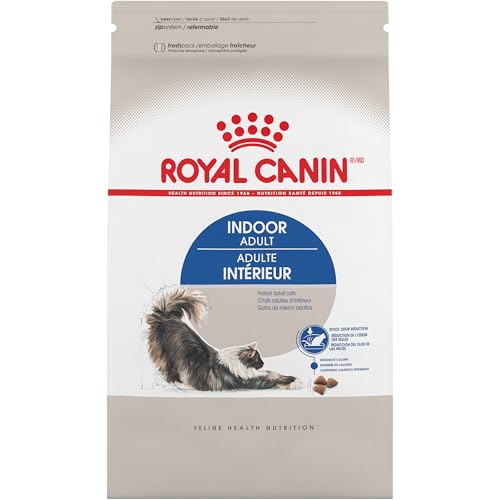
The best indoor cat food for Sphynx cats is Hill’s Science Diet Indoor Cat Food, because it balances high-quality protein with controlled calories to support their fast metabolism and prevent weight gain. For cats with sensitive stomachs, Royal Canin Indoor Adult Cat Food is a strong runner-up. If you prefer wet food, Purina Pro Plan Indoor Care Salmon & Rice Formula offers excellent moisture and protein.
What to consider for Indoor Cat Food For Sphynx Cats
Sphynx cats have a higher metabolic rate than many breeds because they lack fur to regulate body temperature. This means they burn more calories and need a nutrient-dense diet with ample animal protein and fat. However, they are also prone to obesity if overfed, so portion control and a calorie-appropriate formula are key. Their skin produces more oil, so omega-3 and omega-6 fatty acids help maintain skin health. Additionally, Sphynx cats can have sensitive stomachs; look for limited ingredient diets or those with prebiotic fiber. Indoor formulas often include lower fat and added fiber to manage weight and hairballs, which is beneficial for this breed.
What to look for in a cat food
First, ensure the food is AAFCO complete and balanced for the correct life stage (adult, kitten, or senior). The first ingredient should be a named meat source like chicken, turkey, or fish, providing essential amino acids including taurine, which is vital for heart and eye health. Adequate animal protein (at least 30% dry matter) supports muscle maintenance. Moisture content matters: wet food (around 78% moisture) aids urinary tract health, while dry food is convenient but lower in moisture. For indoor Sphynx cats, look for moderate fat (around 15% dry matter) to prevent obesity, and added fiber (3 to 5%) for digestion and hairball control. Avoid artificial colors, flavors, and preservatives.
How we chose these picks
- Evaluated nutritional profiles against AAFCO standards for adult maintenance.
- Prioritized named animal protein as the first ingredient and guaranteed taurine levels.
- Checked for appropriate calorie density (around 350 to 400 kcal per cup for dry food) to support Sphynx metabolism without promoting obesity.
- Considered inclusion of omega fatty acids for skin health and prebiotics for digestion.
- Selected products from reputable brands with rigorous quality control and feeding trials.
- Read ingredient lists to avoid artificial additives and excessive fillers.
- Compared price per serving to offer options across budgets.
- Never ranked a product higher just because it pays a commission.
What to avoid
- Avoid foods with unnamed meat or by-products as the first ingredient; they lack transparency and consistent protein quality.
- Steer clear of recipes without added taurine or those that rely on plant proteins as primary sources, as cats require animal-derived taurine.
- Do not default to all-life-stages food for a senior or kitten without checking specific nutrient levels; all-life-stages may not meet the precise needs of each life stage.
- Avoid abrupt diet switches; transition over 7 to 10 days to prevent digestive upset.
Explore more of our cat guides, including cat food reviews and cat health tips.