Quick answer
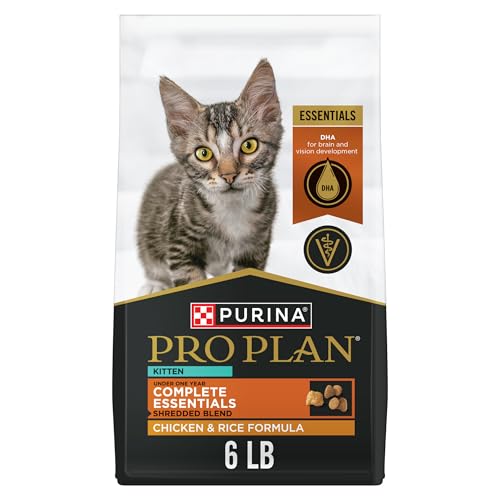
Our top pick is Royal Canin Maine Coon Kitten Dry Food, specifically formulated for the breed’s unique jaw shape and nutritional needs. It provides balanced protein and fat for steady growth without excess weight. For a budget-friendly option, Purina Pro Plan Kitten Chicken & Rice Formula offers excellent nutrition at a lower price. If your kitten prefers wet food, Hill’s Science Diet Kitten Tender Tuna Entree delivers moisture and high-quality ingredients.
What to consider for Indoor Cat Food For Maine Coon Kittens
Maine Coon kittens grow rapidly and are prone to joint issues and obesity. Their large size means they need a diet with controlled calcium and phosphorus for proper bone development, and moderate fat to prevent weight gain. Indoor cats often have lower activity levels, so the food should be calorie-dense but not excessive. Additionally, Maine Coons have a distinct jaw shape; kibble size and shape can affect eating ease. Look for recipes that include DHA for brain and eye development, and high-quality animal protein to support muscle growth.
What to look for in a cat food
First, ensure the food meets AAFCO nutrient profiles for growth or all life stages. The first ingredient should be a named meat (e.g., chicken, salmon) to guarantee high animal protein. Taurine is essential for cats; check that it’s added. For kittens, DHA is crucial for cognitive development. Moisture content matters: wet food aids urinary health, while dry food is convenient. Avoid artificial colors, flavors, and preservatives. Consider your kitten’s specific needs: indoor formulas often have lower fat and added fiber for hairball control.
How we chose these picks
- Evaluated ingredient quality: first ingredient must be a named meat or meat meal.
- Checked for AAFCO statement confirming complete and balanced nutrition for kittens.
- Ensured appropriate calorie density for indoor cats to prevent obesity.
- Considered breed-specific formulations for Maine Coon jaw and growth needs.
- Reviewed guaranteed analysis for protein, fat, and taurine levels.
- Read customer feedback on palatability and stool quality.
- Compared price per pound to offer options across budgets.
- Never ranked a product higher just because it pays a commission.
What to avoid
- Avoid foods with unnamed meat or by-products as the first ingredient.
- Steer clear of recipes with insufficient taurine (less than 0.1% on a dry matter basis).
- Do not choose an all-life-stages food without checking if it meets kitten nutrient levels.
- Avoid abrupt diet switches; transition over 7 to 10 days to prevent digestive upset.
- Skip foods with excessive carbohydrates or fillers like corn, wheat, and soy.
For more cat care advice, visit our cat guides, cat food, and cat health sections.