Quick answer
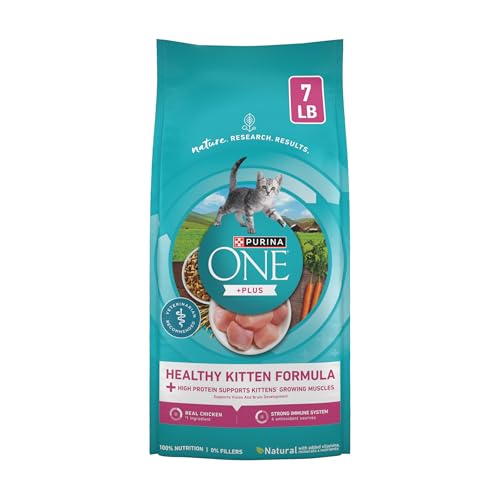
Our top pick is Royal Canin Bengal Kitten Dry Food, formulated specifically for Bengal kittens with high protein and energy needs. It supports healthy growth and a shiny coat. For a budget-friendly option, Purina ONE Healthy Kitten Formula offers solid nutrition at a lower price. If your Bengal kitten has a sensitive stomach, Hill’s Science Diet Kitten Sensitive Stomach & Skin is a great choice.
What to consider for Indoor Cat Food For Bengal Kittens
Bengal kittens are highly energetic and require a diet rich in animal protein to fuel their playfulness and muscle development. As an indoor breed, they may be prone to weight gain, so portion control and a balanced calorie content are important. Look for foods with high-quality meat as the first ingredient, appropriate levels of taurine for heart and eye health, and DHA for brain development. Wet food can help maintain hydration, which is beneficial for urinary tract health, a common concern in indoor cats.
What to look for in a cat food
Choose a food that is AAFCO complete and balanced for growth or all life stages. The first ingredient should be a named meat source (e.g., chicken, salmon). Ensure adequate animal protein (around 30-40% dry matter for kittens) and guaranteed taurine (minimum 0.1% for dry food). Wet food has higher moisture content, supporting urinary health. For Bengal kittens, life-stage specific formulas are best to provide the right nutrient balance.
How we chose these picks
- Evaluated ingredient lists for high-quality protein sources and absence of artificial additives.
- Checked AAFCO nutritional adequacy statements for growth or all life stages.
- Considered brand reputation and history of quality control.
- Reviewed customer feedback for palatability and digestive tolerance.
- Assessed price per pound to identify value options.
- Prioritized formulas with added taurine, DHA, and probiotics where beneficial.
- Never ranked a product higher just because it pays a commission.
What to avoid
- Foods without a named meat first ingredient (e.g., “meat meal” or “by-products”).
- Recipes with low protein content or missing taurine supplementation.
- All-life-stages foods for kittens without verifying they meet growth requirements.
- Abrupt diet changes; transition over 7 to 10 days to avoid digestive upset.
For more guidance, explore our cat guides, cat food, and cat health resources.