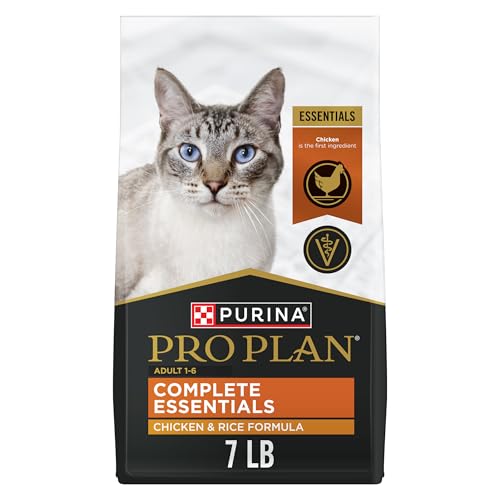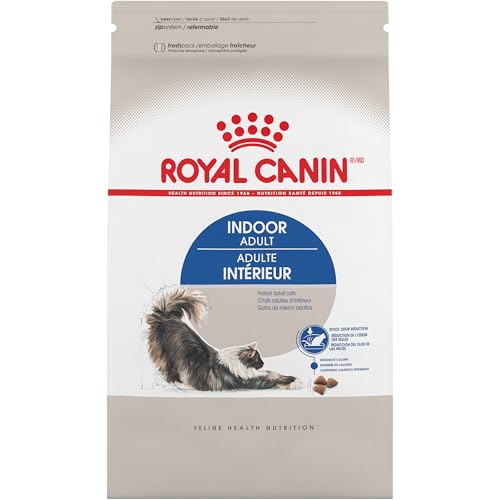
Quick answer
Our top pick is Royal Canin Indoor Adult Dry Cat Food, formulated with precise calories and fiber to help small indoor cats maintain a healthy weight. For cats with sensitive stomachs, Hill’s Science Diet Sensitive Stomach & Skin is a strong runner-up. If you prefer wet food, Wellness CORE Grain-Free Pate offers high protein and moisture.
What to consider for Indoor Cat Food For Cats Under 10 Lbs
Indoor cats under 10 pounds often have lower energy needs and can gain weight easily. Look for a food with moderate calories (around 300 to 400 kcal per cup for dry) and increased fiber to reduce hairballs. Adequate taurine is essential for heart and eye health. Wet food can help with hydration and urinary health, which is important for cats prone to crystals.
What to look for in a cat food
Choose a food that states it is complete and balanced according to AAFCO for the appropriate life stage (adult or kitten). The first ingredient should be a named meat (e.g., chicken, salmon) to ensure high-quality animal protein. Taurine must be added, as cats cannot synthesize it. For indoor cats, moderate fat and calorie content help prevent obesity. Wet food provides moisture that supports urinary tract health. Always check for life-stage suitability: kitten foods have higher calories and nutrients for growth, while senior foods may have adjusted phosphorus.
How we chose these picks
- Evaluated ingredient lists for named meat sources and absence of artificial additives.
- Checked guaranteed analysis for protein, fat, fiber, and moisture levels appropriate for small indoor cats.
- Confirmed AAFCO nutritional adequacy statements for adult maintenance or all life stages.
- Reviewed calorie content to ensure it supports weight management for cats under 10 pounds.
- Considered brand reputation and history of quality control.
- Included a variety of textures and formats (dry, wet, grain-free) to suit different preferences.
- Prioritized products with added taurine and omega fatty acids for skin and coat health.
- Never ranked a product higher just because it pays a commission.
What to avoid
- Avoid foods with vague meat meals like “meat meal” or “poultry meal” without named species.
- Steer clear of recipes with insufficient animal protein (less than 30% dry matter) or that rely on plant proteins as primary sources.
- Do not choose a food that lacks added taurine or has a low taurine content.
- Be cautious with all-life-stages foods for kittens or seniors without checking specific nutrient levels (e.g., calcium, phosphorus).
- Never switch your cat’s food abruptly; transition over 7 to 10 days to avoid digestive upset.
For more guidance, browse our cat guides, cat food reviews, and cat health articles.