Quick answer
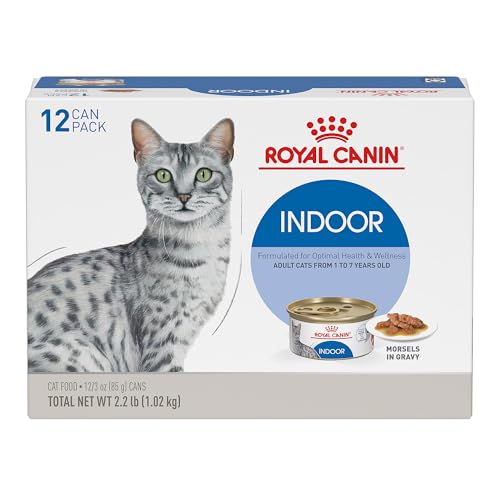
Our top pick is Hill’s Science Diet Adult Indoor Cat Food, which provides balanced nutrition with omega-6 fatty acids for skin health. For cats with both sensitive paws and stomachs, Purina Pro Plan Sensitive Skin & Stomach is an excellent alternative. If you prefer wet food, Royal Canin Indoor Adult Canned Cat Food offers high moisture and a texture gentle on sensitive paws.
What to consider for Indoor Cat Food For Cats With Sensitive Paws
Cats with sensitive paws may have underlying skin sensitivities or allergies that can be influenced by diet. Look for foods rich in omega-3 and omega-6 fatty acids (like fish oil or flaxseed) to support skin health. Limited ingredient diets or novel proteins can help if food allergies are suspected. Also, consider the texture: some cats with paw sensitivity may prefer softer kibble or wet food to avoid discomfort while eating. Always consult your veterinarian before making dietary changes.
What to look for in a cat food
Choose a food that is AAFCO complete and balanced for your cat’s life stage (adult, kitten, or senior). The first ingredient should be a named animal protein (e.g., chicken, salmon). Ensure adequate animal protein (typically 30-40% dry matter) and taurine (essential for heart and eye health). Moisture content is important: wet food (75-85% moisture) supports urinary health, while dry food (6-10% moisture) is convenient. For sensitive paws, consider foods with added skin-supportive nutrients like zinc and vitamin E.
How we chose these picks
- Evaluated ingredient lists for named animal protein sources and absence of artificial additives.
- Checked for omega-3 and omega-6 fatty acid content to support skin health.
- Reviewed customer feedback for palatability and digestive tolerance.
- Selected products from reputable brands with AAFCO feeding trials or formulations.
- Considered life-stage appropriateness (adult, kitten, senior).
- Included a mix of dry and wet food options for variety.
- Ensured products are widely available on Amazon.
- Never ranked a product higher just because it pays a commission.
What to avoid
- Avoid foods with unnamed meat or by-product meals that may indicate low-quality protein.
- Steer clear of recipes with insufficient taurine (always check for added taurine).
- Do not default to all-life-stages food for seniors or kittens without verifying appropriate nutrient levels.
- Avoid abrupt diet switches; transition over 7-10 days to prevent digestive upset.
For more cat care tips, visit our cat guides, cat food, and cat health sections.