Quick answer
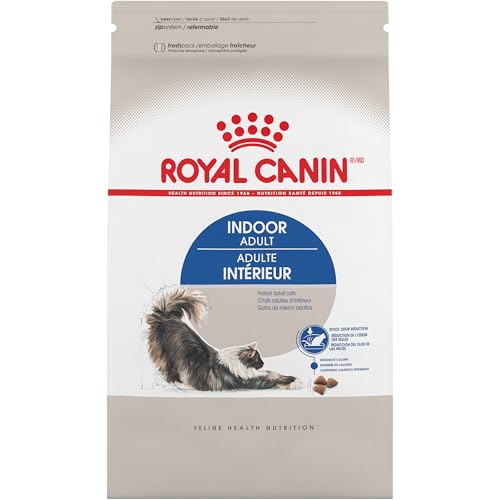
Our top pick is Royal Canin Indoor Adult Dry Cat Food because its uniquely shaped kibble encourages chewing and slows down fast eaters. For cats with sensitive stomachs, Hill’s Science Diet Sensitive Stomach & Skin is a great alternative. If you prefer wet food to increase moisture intake, Wellness CORE Grain-Free Pâté is an excellent choice.
What to consider for Indoor Cat Food For Cats That Eat Too Fast
Fast eating can lead to vomiting, regurgitation, and even bloat. Indoor cats are often less active, so they need a diet that manages weight while still providing complete nutrition. Look for kibble shapes that promote chewing, or consider wet food which naturally slows consumption. Fiber content helps with satiety and hairball control. Always ensure the food is AAFCO complete and balanced for your cat’s life stage.
What to look for in a cat food
Choose a food that is AAFCO complete and balanced for the appropriate life stage (adult, kitten, senior). The first ingredient should be a named meat source (e.g., chicken, salmon) to ensure high-quality animal protein. Cats require taurine, an essential amino acid, so verify it is added. Wet food provides moisture that supports urinary health. For indoor cats, moderate fat and calorie content helps prevent obesity. Life-stage specific formulas address unique needs like joint health in seniors or growth in kittens.
How we chose these picks
- Evaluated kibble shape and size to determine if it encourages chewing and slows eating.
- Reviewed ingredient lists for named meat sources and animal protein content.
- Checked for added taurine and other essential nutrients.
- Considered calorie and fat levels appropriate for indoor activity levels.
- Included both dry and wet options to cater to different feeding preferences.
- Selected products from reputable brands with AAFCO statements and quality control.
- Read customer feedback regarding palatability and digestive tolerance.
- Never ranked a product higher just because it pays a commission.
What to avoid
- Foods with unnamed meat sources (e.g., “meat meal”) or low animal protein content.
- Recipes that lack added taurine or have insufficient taurine levels.
- Defaulting to all-life-stages food for a senior or kitten without checking specific needs.
- Abrupt diet switches; always transition gradually over 7 to 10 days to avoid digestive upset.
For more guidance, explore our cat guides, cat food, and cat health resources.


