Quick answer
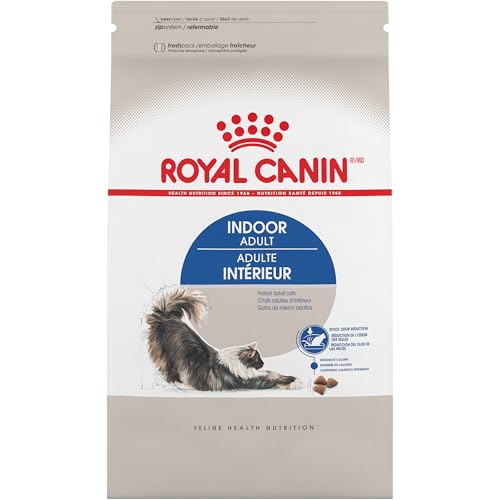
Our top pick is Hill’s Science Diet Indoor Cat Food, because it combines precise calorie control with high-quality protein and natural fiber for weight and hairball management. If your cat has a sensitive stomach, Royal Canin Indoor Adult Cat Food is a close second with its highly digestible blend. For budget-conscious owners, Purina ONE Indoor Advantage offers solid nutrition at a lower price.
What to consider for Indoor Cat Food For Cats In Small Homes
Cats in small homes often have limited space for exercise, making them prone to weight gain and boredom-related eating. A calorie-controlled formula with moderate fat and increased fiber can help maintain a healthy weight and reduce hairballs. Also consider the food’s texture: wet food provides extra moisture for urinary health, while dry kibble can be portioned easily. Look for named animal protein sources (chicken, fish) and avoid fillers like corn or wheat. Life stage matters too: kittens need more calories and protein, while seniors may benefit from joint-supporting nutrients.
What to look for in a cat food
First, ensure the food meets AAFCO nutrient profiles for your cat’s life stage (growth, maintenance, or all life stages). A named meat (e.g., chicken, salmon) should be the first ingredient, providing essential amino acids like taurine. Cats require sufficient animal protein (typically 30-40% dry matter) and taurine for heart and eye health. Moisture content is important: wet food (75-85% moisture) supports urinary tract health, while dry food (10% moisture) is convenient but requires ample fresh water. Finally, match the formula to your cat’s specific needs: indoor, sensitive stomach, hairball control, or weight management.
How we chose these picks
- Evaluated ingredient lists for named meat sources and absence of artificial additives.
- Compared guaranteed analysis to ensure protein and fat levels suit indoor cats.
- Checked for AAFCO nutritional adequacy statements on packaging.
- Considered brand reputation, history of recalls, and veterinary nutritionist input.
- Read customer reviews focusing on palatability and digestive tolerance.
- Assessed value by comparing price per pound and serving size.
- Never ranked a product higher just because it pays a commission.
What to avoid
- Foods with no named meat (e.g., “meat meal” or “poultry by-product” without source).
- Recipes with less than 30% protein on a dry matter basis, which may lack taurine.
- All-life-stages food for seniors or kittens without checking specific nutrient levels.
- Abrupt diet switches; always transition over 7 to 10 days to avoid digestive upset.
For more guidance, browse our cat guides, cat food, and cat health sections.