Quick answer
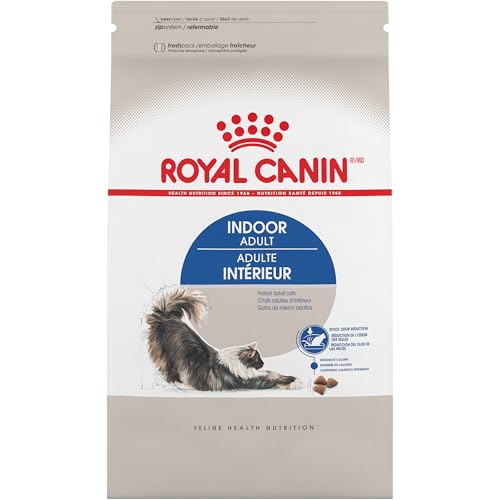
Our top pick is Hill’s Science Diet Adult Indoor Cat Food. It’s formulated with high-quality protein and natural fibers to help your cat feel full longer, which can reduce early-morning wake-up calls. If your cat has a sensitive stomach, Royal Canin Indoor Adult Dry Cat Food is a great alternative. For budget-conscious owners, Purina ONE Indoor Advantage provides solid nutrition at a lower price point.
What to consider for Indoor Cat Food For Cats That Wake You Up
Cats that wake you up often do so because they are hungry or have excess energy. Indoor cats typically have lower activity levels, so they need a diet that is calorie-controlled to prevent weight gain. Look for foods with moderate fat content and added fiber to promote satiety. Protein should come from named animal sources to support lean muscle mass. Also consider the feeding schedule; some cats do better with multiple small meals or a timed feeder. Wet food can increase water intake and help with urinary health, but dry food is more convenient for free-feeding. Ultimately, the goal is to choose a food that keeps your cat satisfied through the night without overfeeding.
What to look for in a cat food
First, ensure the food is AAFCO complete and balanced for your cat’s life stage (adult, kitten, or senior). Look for a named meat as the first ingredient, such as chicken, turkey, or fish. Cats require animal-based protein and taurine, an essential amino acid; the food should list taurine as an additive or be naturally present. Moisture content is important: wet food (about 78% moisture) supports urinary tract health, while dry food (about 10% moisture) is more calorie-dense. For indoor cats, choose a formula designed for weight management or indoor living, which often has controlled calories and added fiber. Avoid foods with excessive carbohydrates or fillers like corn and wheat gluten.
How we chose these picks
- We selected foods specifically labeled for indoor cats or weight management.
- Each product has a named animal protein as the first ingredient.
- We reviewed nutritional profiles for appropriate protein, fat, and fiber levels.
- We considered brand reputation and adherence to AAFCO standards.
- We looked for positive feedback from owners of cats with similar waking issues.
- We prioritized foods that promote satiety and steady energy release.
- We included options across different price points and textures (dry and wet).
- Never ranked a product higher just because it pays a commission.
What to avoid
- Avoid foods with unnamed meat sources like “meat meal” or “poultry by-product” without specifying the animal.
- Steer clear of recipes with too little animal protein (below 30% on a dry matter basis) or excessive carbohydrates.
- Do not choose a taurine-deficient diet; taurine must be present in sufficient amounts.
- Refrain from using an all-life-stages food for a senior or kitten without checking if it meets their specific needs.
- Avoid abrupt diet switches; transition over 7 to 10 days to prevent digestive upset.
For more guidance, explore our cat guides, cat food, and cat health resources.