Quick answer
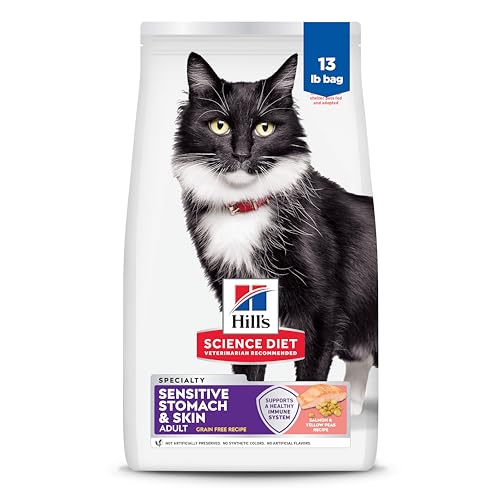
Our top pick is Wellness CORE Grain-Free Original for its high-quality protein and limited ingredients that support sensitive stomachs. For cats with more severe vomiting, Hill’s Science Diet Sensitive Stomach & Skin (grain-free variant) offers a balanced option. Budget-conscious owners can consider Purina Pro Plan Sensitive Skin & Stomach (grain-free formula).
What to consider for Grain Free Cat Food For Vomiting Cats
Vomiting in cats can stem from food allergies, intolerances, or simply a sensitive stomach. Grain-free diets eliminate common allergens like wheat, corn, and soy, which may trigger vomiting. However, not all vomiting is diet-related; consult your vet to rule out medical issues. Look for a single novel protein source (e.g., turkey, salmon) and avoid artificial additives. Wet food often helps because it’s easier to digest and provides extra hydration.
What to look for in a cat food
Choose a food that is AAFCO complete and balanced for your cat’s life stage (kitten, adult, senior). The first ingredient should be a named meat (e.g., chicken, salmon) to ensure high animal protein. Taurine is an essential amino acid for cats; verify it’s added. Wet food (canned) supports urinary health and can be gentler on the stomach. For vomiting cats, limited ingredient diets or novel proteins are beneficial. Always transition slowly over 7 to 10 days.
How we chose these picks
- We evaluated ingredient lists for named meat sources and absence of grains.
- We prioritized products with limited ingredients to reduce allergen risk.
- We considered AAFCO nutrient profiles for appropriate life stages.
- We reviewed protein and fat levels for digestibility.
- We looked for added taurine and omega fatty acids for skin and coat health.
- We compared price per ounce to offer options for different budgets.
- Never ranked a product higher just because it pays a commission.
What to avoid
- Foods with unnamed meat or by-products as the first ingredient.
- Recipes that do not guarantee taurine levels.
- Using an all-life-stages food for a kitten or senior without checking specific needs.
- Switching diets abruptly; always transition gradually.
For more guidance, explore our cat guides, cat food, and cat health resources.