Quick answer
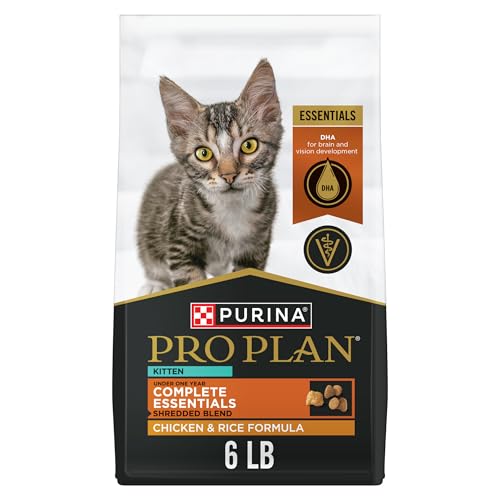
Our top pick is Royal Canin Persian Kitten Dry Cat Food because it is specifically formulated for Persian kittens, with a unique kibble shape that makes it easy for them to pick up and chew. It also contains a blend of nutrients to support skin and coat health. If you prefer a wet food option, Hill’s Science Diet Kitten Healthy Cuisine Tuna & Vegetable Entree is a great limited ingredient choice. For a budget-friendly option, Purina Pro Plan Kitten Chicken & Rice Formula offers balanced nutrition without unnecessary fillers.
What to consider for Limited Ingredient Cat Food For Persian Kittens
Persian kittens have brachycephalic (flat) faces, which can make eating difficult. Their kibble should be small, uniquely shaped, or easy to pick up. They also have long, dense coats that require high-quality animal protein and omega fatty acids for skin and coat health. Limited ingredient diets can help reduce the risk of food sensitivities, which are common in Persians. Additionally, their sensitive digestive systems benefit from a single protein source and minimal additives. Always choose a food that is AAFCO approved for growth or all life stages.
What to look for in a cat food
When selecting a limited ingredient cat food for your Persian kitten, look for an AAFCO statement confirming it is complete and balanced for growth. The first ingredient should be a named meat source (e.g., chicken, salmon). Ensure the food contains adequate animal protein (30-40% dry matter) and taurine, an essential amino acid for heart and eye health. Moisture content is important; wet food can help with hydration and urinary health. Finally, choose a formula designed for kittens or all life stages to meet their higher energy and nutrient needs.
How we chose these picks
- Evaluated ingredient lists for limited, high-quality protein sources and absence of common allergens.
- Checked that each product meets AAFCO nutritional standards for kitten growth.
- Considered kibble size and shape suitability for brachycephalic Persian kittens.
- Reviewed customer feedback for palatability and digestive tolerance in sensitive kittens.
- Prioritized brands with a history of rigorous quality control and research.
- Assessed value by comparing price per pound to nutritional density.
- Never ranked a product higher just because it pays a commission.
What to avoid
- Avoid foods with unnamed meat sources (e.g., “meat meal”) or excessive fillers like corn, wheat, or soy.
- Stay away from recipes that do not guarantee taurine levels, as taurine deficiency is serious.
- Do not default to an all-life-stages food without checking that it meets kitten-specific nutrient profiles.
- Avoid abrupt diet switches; transition over 7-10 days to prevent digestive upset.
For more guidance, explore our cat guides, cat food reviews, and cat health tips.