Quick answer
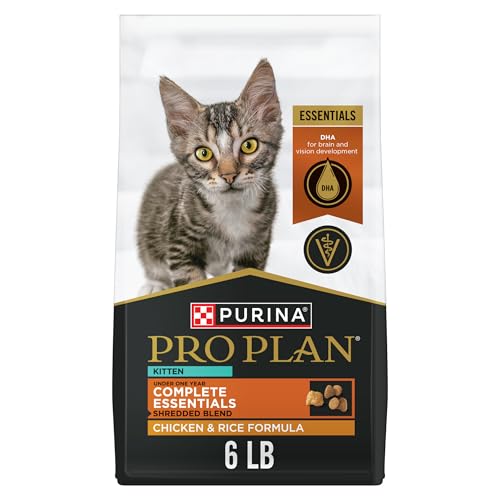
Our top pick is Hill’s Science Diet Kitten Healthy Development, offering optimal protein (40% min) from chicken and balanced DHA for brain and eye development. For a high-moisture option with novel proteins, Tiki Cat Baby Thrive is excellent. Budget-conscious owners should consider Purina Pro Plan Kitten Chicken & Rice Formula.
What to consider for High Protein Cat Food For Kittens
Kittens have higher protein requirements than adult cats because they are building muscle, organs, and tissues. Look for a food with at least 35% protein on a dry matter basis, with named animal protein as the first ingredient. Also ensure the food is AAFCO-approved for growth or all life stages. Wet food provides extra moisture, which supports urinary health and hydration. Avoid foods with excessive carbohydrates or fillers like corn and wheat.
What to look for in a cat food
Check the AAFCO statement: it should say “complete and balanced for growth” or “all life stages.” The first ingredient should be a named meat (e.g., chicken, salmon). Animal protein should be high, and taurine must be supplemented (essential for heart and eyes). Wet food helps prevent urinary issues by increasing water intake. For kittens, ensure the food meets nutritional levels for growth, not just maintenance.
How we chose these picks
- We evaluated protein content and ingredient quality from publicly available nutritional information.
- We prioritized foods with named meat as the first ingredient and minimal fillers.
- We considered AAFCO feeding trials or formulation to meet growth requirements.
- We compared price per ounce and feeding recommendations for value.
- We included a variety of textures (dry, wet, pate) to suit different kitten preferences.
- We reviewed customer feedback for palatability and digestive tolerance.
- We selected products that are widely available and from reputable brands.
- Never ranked a product higher just because it pays a commission.
What to avoid
- Avoid foods with unnamed meat or by-products as first ingredient; they may be low quality.
- Do not choose a food with insufficient animal protein (less than 30% dry matter) for kittens.
- Avoid foods that do not guarantee taurine supplementation; taurine deficiency can cause blindness and heart disease.
- Do not feed an all-life-stages food to a kitten without checking it meets growth requirements; some are only for maintenance.
- Avoid abrupt diet switches; transition over 7 to 10 days to prevent digestive upset.
For more guidance, visit our cat guides, cat food, and cat health sections.