Quick answer
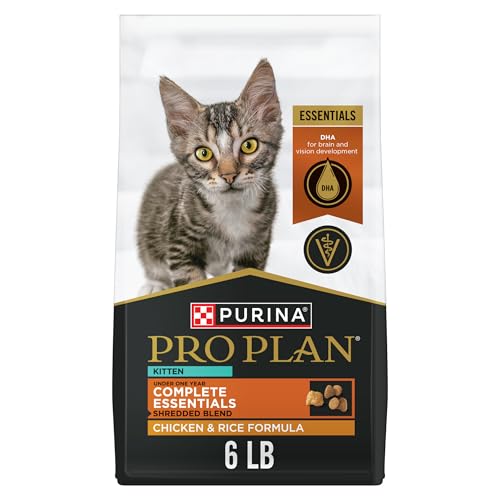
Our top pick is Royal Canin Bengal Kitten Dry Cat Food, formulated specifically for the breed’s muscular build and digestive needs. For a wet food option, Wellness CORE Grain-Free Kitten Pate provides high protein and moisture. If you are on a budget, Purina Pro Plan Kitten Chicken & Rice Formula delivers solid nutrition at a lower price.
What to consider for High Protein Cat Food For Bengal Kittens
Bengal kittens are an active, muscular breed that requires a diet rich in animal protein to support their growth and energy. They also have sensitive stomachs, so easily digestible ingredients are important. Look for a food that lists a named meat (like chicken or fish) as the first ingredient and is formulated for kittens (or all life stages). Adequate taurine is essential for heart and eye health. Wet food can help with hydration, which is beneficial for urinary tract health.
What to look for in a cat food
When choosing a high-protein cat food for your Bengal kitten, ensure it carries an AAFCO statement confirming it is complete and balanced for growth or all life stages. The first ingredient should be a named animal protein source. The food should provide sufficient animal protein (typically 40% or more on a dry matter basis) and include added taurine. For kittens, wet food offers extra moisture that supports urinary health. Always select a formula appropriate for your kitten’s age and any specific health needs.
How we chose these picks
- We compared ingredient lists to ensure a named meat is the first ingredient.
- We verified that each product meets AAFCO nutrient profiles for growth.
- We prioritized foods with high animal protein content (over 40% dry matter).
- We considered brand reputation and recall history.
- We looked for added taurine and other essential nutrients.
- We included a mix of dry and wet options to suit different feeding preferences.
- We balanced price points to offer budget-friendly choices.
- Never ranked a product higher just because it pays a commission.
What to avoid
- Avoid foods with unnamed meat sources or by-products as the first ingredient.
- Steer clear of recipes that do not guarantee adequate taurine levels.
- Do not default to an all-life-stages food without checking that it meets kitten requirements.
- Never switch your kitten’s diet abruptly; transition over 7 to 10 days to prevent digestive upset.
For more guidance, explore our cat guides, cat food, and cat health resources.