Quick answer
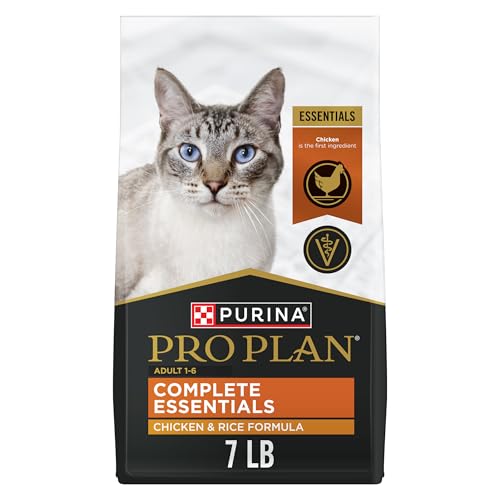
Our top pick is Royal Canin Feline Health Nutrition Thin Slices in Gravy, which offers high protein and moisture to help stressed cats feel full and hydrated. For a budget-friendly alternative, Purina Pro Plan Focus Chicken & Rice Formula provides quality protein at a lower price. If your cat has a sensitive stomach, Hill’s Science Diet Adult Sensitive Stomach & Skin is an excellent choice.
What to consider for High Protein Cat Food For Cats That Hate Carriers
Cats that hate carriers often experience stress during travel, which can upset their digestion. High-protein, low-carbohydrate diets help maintain steady blood sugar and reduce anxiety. Wet food is ideal because it provides hydration and is more palatable, encouraging eating even when stressed. Look for recipes with named meat as the first ingredient and added taurine for heart health. Avoid foods with artificial additives or fillers that might worsen stress.
What to look for in a cat food
When choosing a high-protein cat food, ensure it is AAFCO complete and balanced for your cat’s life stage. The first ingredient should be a named meat source like chicken or fish, providing essential amino acids. Taurine is critical for cats, as deficiency can cause heart and eye problems. Wet food offers higher moisture, supporting urinary health. For kittens or seniors, select formulas tailored to their specific needs. Always consult your veterinarian before making dietary changes.
How we chose these picks
- Evaluated protein content and ingredient quality from publicly available information.
- Prioritized brands with a history of AAFCO feeding trials and expert formulation.
- Considered palatability and texture to appeal to stressed cats.
- Checked for added taurine and essential nutrients.
- Selected products across different price points and life stages.
- Included both wet and dry options to suit varied preferences.
- Never ranked a product higher just because it pays a commission.
What to avoid
- Avoid foods with unnamed meat or by-products as the first ingredient, as they may lack sufficient animal protein.
- Steer clear of recipes that do not guarantee taurine levels, as deficiency is dangerous.
- Do not assume all-life-stages food is appropriate for kittens or seniors without checking specific nutrient levels.
- Avoid abrupt diet switches; transition over 7 to 10 days to prevent digestive upset.
For more advice, explore our cat guides, cat food, and cat health resources.