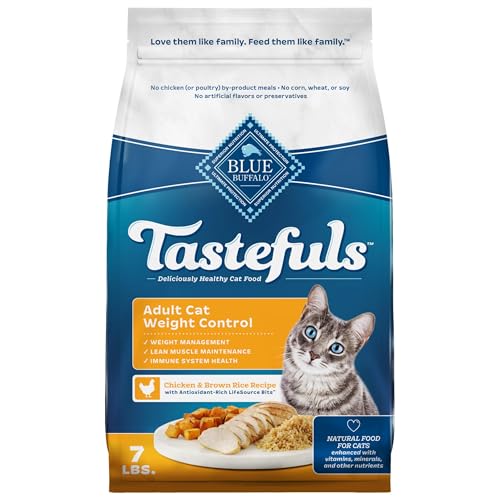
Quick answer
Our top pick for low calorie cat food for weight loss is Hill’s Science Diet Adult Perfect Weight, because it combines a controlled calorie count with high-quality protein to maintain muscle while promoting fat loss. For cats with sensitive stomachs, Purina Pro Plan Weight Management with added prebiotic fiber is a strong alternative. If you prefer a wet food option, Wellness CORE Grain-Free Pâté offers low calories with high moisture.
What to consider for Low Calorie Cat Food For Weight Loss
Weight loss in cats requires a careful balance: the food must be lower in calories but still provide adequate protein to prevent muscle loss. Cats are obligate carnivores, so animal protein is essential. Look for a calorie density around 250 to 350 kcal per cup for dry food, or 70 to 100 kcal per 3-ounce can for wet food. The food should be complete and balanced for adult maintenance or weight management, and ideally include L-carnitine to support fat metabolism. Always consult your veterinarian before starting a weight loss plan.
What to look for in a cat food
When choosing a cat food for weight loss, ensure it meets AAFCO nutrient profiles for the appropriate life stage (adult or all life stages). The first ingredient should be a named meat source (e.g., chicken, salmon) to guarantee high-quality animal protein. Taurine is an essential amino acid for cats and must be present in adequate amounts. For weight loss, wet food can be beneficial due to its high moisture content, which helps with satiety and urinary health. Also consider your cat’s age and any health conditions; senior cats may need adjusted phosphorus levels.
How we chose these picks
- We analyzed calorie content per serving and ensured each product is lower in calories compared to standard adult maintenance foods.
- We verified that each food meets AAFCO nutrient profiles for adult cats or weight management.
- We prioritized products with a named animal protein as the first ingredient.
- We considered the inclusion of beneficial ingredients like L-carnitine, fiber, and omega fatty acids.
- We evaluated brand reputation and manufacturing quality standards.
- We selected a mix of dry and wet food options to accommodate different preferences.
- Never ranked a product higher just because it pays a commission.
What to avoid
- Avoid foods where the first ingredient is a grain or by-product meal instead of a named meat.
- Steer clear of recipes that are low in protein (below 30% dry matter) as this can lead to muscle loss.
- Do not choose a food that lacks a guaranteed analysis for taurine; cats require taurine for heart and eye health.
- Be cautious with all-life-stages foods for a senior cat without checking calorie density, as they may be too high in calories.
- Avoid abruptly switching your cat’s diet; transition over 7 to 10 days to prevent digestive upset.
Explore more of our cat guides, including cat food and cat health resources.