Quick answer
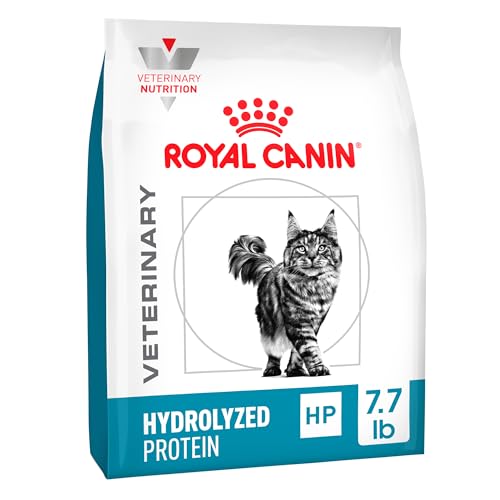
Our top pick is Hill’s Science Diet Adult Perfect Weight Cat Food, which combines low calories with glucosamine and chondroitin for joint health. For cats with more severe paw sensitivity, Royal Canin Veterinary Diet Feline Hydrolyzed Protein provides hypoallergenic support. If you prefer wet food, Purina Pro Plan Weight Management offers moisture and joint care.
What to consider for Low Calorie Cat Food For Cats With Sensitive Paws
Cats with sensitive paws may have allergies, arthritis, or injuries that require special dietary support. Low-calorie formulas help prevent obesity, which reduces stress on joints and paws. Look for ingredients like omega-3 fatty acids (from fish oil) to reduce inflammation, glucosamine and chondroitin for joint health, and limited ingredient lists to avoid allergens. Wet food can be easier to chew and provides extra moisture, which supports urinary health. Always consult your veterinarian to rule out underlying conditions.
What to look for in a cat food
When choosing a low-calorie cat food for sensitive paws, ensure it meets AAFCO nutrient profiles for your cat’s life stage. The first ingredient should be a named meat (e.g., chicken, salmon) to provide high-quality animal protein. Adequate taurine is essential for heart and eye health. Moisture content matters: wet food (at least 75% moisture) aids hydration and urinary health. For sensitive paws, added joint supplements like glucosamine and chondroitin are beneficial. Avoid foods with artificial preservatives, colors, or excessive fillers.
How we chose these picks
- Analyzed calorie content per cup or can to ensure low-calorie claims.
- Checked for joint-supporting ingredients like glucosamine, chondroitin, and omega-3s.
- Reviewed ingredient lists for common allergens (e.g., corn, wheat, soy) and limited ingredient options.
- Verified AAFCO nutritional adequacy statements for adult maintenance or all life stages.
- Considered brand reputation and history of quality control.
- Included a mix of dry and wet food options to suit different preferences.
- Prioritized products with positive customer feedback for palatability and digestive tolerance.
- Never ranked a product higher just because it pays a commission.
What to avoid
- Avoid foods with no named meat or low animal protein content; cats require taurine from animal sources.
- Steer clear of recipes that do not guarantee adequate taurine levels.
- Do not default to all-life-stages food for a senior or kitten without checking specific nutrient profiles.
- Avoid abrupt diet switches; transition over 7 to 10 days to prevent digestive upset.
- Skip foods with excessive carbohydrates or fillers like corn gluten meal.
Explore more of our cat guides, including cat food reviews and cat health tips.