Quick answer
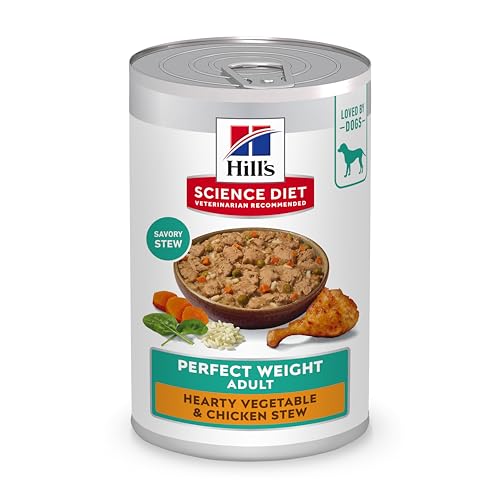
Our top pick is Hill’s Science Diet Adult Perfect Weight for its proven weight management formula and high protein content. For cats with sensitive stomachs, Purina Pro Plan Weight Management is a great alternative. If you prefer wet food, Wellness CORE Grain-Free offers low calories with high moisture. Each pick is tailored for small home living where exercise space is limited.
What to consider for Low Calorie Cat Food For Cats In Small Homes
In small homes, cats have less room to roam and burn calories, making weight management crucial. Look for foods with controlled calories (typically 250 to 350 kcal per cup for dry food) and high protein to maintain muscle mass. Portion control is easier with smaller kibble sizes or wet food pouches. Also consider that small spaces may lead to boredom eating, so foods that promote satiety through fiber or protein can help. Always consult your veterinarian before changing your cat’s diet.
What to look for in a cat food
Choose a food that is AAFCO complete and balanced for your cat’s life stage (adult, kitten, or senior). The first ingredient should be a named meat source (e.g., chicken, salmon) to ensure adequate animal protein. Cats need taurine, an essential amino acid, so verify it’s added. Wet food provides moisture that supports urinary health. For weight management, look for moderate fat (10 to 15% dry matter) and higher protein (40% or more). Avoid foods with excessive carbohydrates or fillers.
How we chose these picks
- Evaluated calorie content per serving to ensure low calorie options.
- Checked ingredient lists for high-quality protein sources and named meats.
- Reviewed AAFCO statements for life stage appropriateness.
- Considered brand reputation and formulation expertise.
- Looked for added taurine and essential nutrients.
- Assessed palatability and texture for picky eaters.
- Compared price per serving to offer budget-friendly choices.
- Never ranked a product higher just because it pays a commission.
What to avoid
- Avoid foods with unnamed meat or by-products as the first ingredient.
- Steer clear of recipes lacking taurine or with insufficient animal protein.
- Do not choose an all-life-stages food without checking if it meets your cat’s specific needs (e.g., senior cats may need lower phosphorus).
- Never switch diets abruptly; transition over 7 to 10 days to avoid digestive upset.
For more guidance, check our cat guides and related articles on cat food and cat health.


