Quick answer
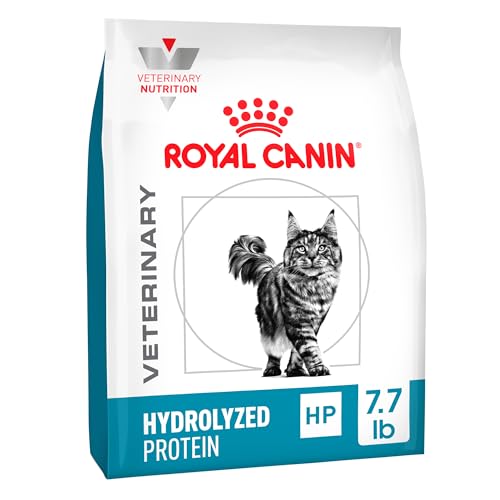
Our top pick is Hill’s Science Diet Adult Perfect Weight Chicken Recipe Dry Cat Food. It provides balanced nutrition for weight loss with a single animal protein source to minimize allergy risks. For cats with multiple food sensitivities, Royal Canin Hydrolyzed Protein HP is a veterinary-exclusive option that uses hydrolyzed proteins. Budget-conscious owners may consider Purina Pro Plan Weight Management Chicken & Rice Formula.
What to consider for Weight Management Cat Food For Cats With Allergies
Managing weight in cats with allergies requires a dual approach: reducing calorie intake while avoiding allergens. Common allergens include chicken, beef, dairy, and fish. Novel proteins like duck, venison, or rabbit can be alternatives. Look for limited ingredient diets (LID) or hydrolyzed protein formulas. Ensure the food is AAFCO-compliant for adult maintenance or weight loss. Wet food can be beneficial due to higher moisture and lower calorie density. Always transition slowly over 7 to 10 days to avoid digestive upset.
What to look for in a cat food
Choose a cat food that is AAFCO complete and balanced for the appropriate life stage. The first ingredient should be a named meat or meat meal. Adequate animal protein (at least 30% dry matter) and taurine (essential for heart and eye health) are critical. For weight management, lower fat and higher fiber (around 5 to 10% dry matter) can help satiety. Wet food provides moisture for urinary health. Avoid foods with artificial colors, flavors, or preservatives. For allergies, select a food with a single protein source and limited carbohydrate sources.
How we chose these picks
- Evaluated ingredient lists for named protein sources and limited ingredients.
- Checked AAFCO nutritional adequacy statements for adult maintenance or weight loss.
- Analyzed guaranteed analysis for protein, fat, fiber, and calorie content.
- Prioritized foods with novel or hydrolyzed proteins for allergy management.
- Considered brand reputation and recall history.
- Reviewed customer feedback for palatability and weight loss results.
- Consulted veterinary nutrition guidelines for weight management.
- Never ranked a product higher just because it pays a commission.
What to avoid
- Avoid foods with unnamed meat or meat by-products as first ingredients.
- Steer clear of diets with inadequate protein (below 30% dry matter) or taurine deficiency.
- Do not default to all-life-stages food for a senior or kitten without checking specific needs.
- Avoid abrupt diet switches; always transition gradually to prevent gastrointestinal upset.
For more guidance, explore our cat guides, cat food, and cat health resources.