Quick answer
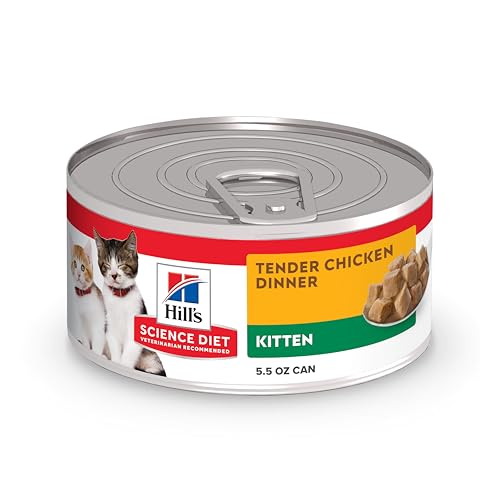
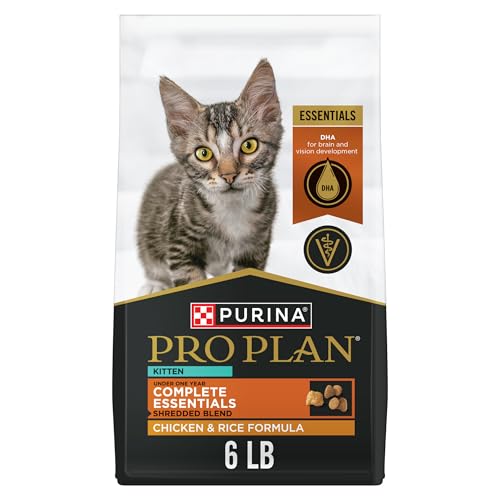
Our editorial team recommends Royal Canin Maine Coon Kitten Dry Food as the best overall for weight management. It’s tailored to the breed’s growth curve and includes L-carnitine to support lean muscle. For a budget-friendly option, Purina Pro Plan Kitten Chicken & Rice Formula provides balanced nutrition with controlled fat. If your kitten prefers wet food, Hill’s Science Diet Kitten Tender Chicken Dinner offers high moisture and moderate calories.
What to consider for Weight Management Cat Food For Maine Coon Kittens
Maine Coon kittens are a large breed with a slower growth rate (reaching full size at 3 to 5 years). Overfeeding can lead to rapid weight gain, stressing joints and predisposing them to hip dysplasia. Look for a food with moderate fat (around 15 to 20% on a dry matter basis) and adequate protein (35 to 45%) to support muscle development without excess calories. L-carnitine and omega-3 fatty acids (from fish oil) can help maintain a healthy metabolism and reduce inflammation. Portion control is critical; follow feeding guidelines and adjust based on body condition.
What to look for in a cat food
Choose a food that is AAFCO complete and balanced for growth or all life stages. The first ingredient should be a named meat source (e.g., chicken, salmon) to ensure high-quality animal protein. Cats require taurine, an essential amino acid, so verify it’s added. For kittens, DHA supports brain and eye development. Wet food provides moisture for urinary health, while dry food can help with dental health. Ensure the food is appropriate for the kitten’s life stage; avoid adult formulas until at least one year old. For weight management, look for controlled calorie density (around 350 to 400 kcal per cup for dry food).
How we chose these picks
- Evaluated ingredient lists for named meat sources and absence of artificial preservatives.
- Checked guaranteed analysis for protein, fat, and fiber levels appropriate for growing kittens.
- Ensured each product meets AAFCO nutrient profiles for growth or all life stages.
- Considered brand reputation and history of quality control.
- Read verified buyer feedback for palatability and digestive tolerance.
- Prioritized products with added taurine, omega-3s, and L-carnitine for weight management.
- Compared price per pound to offer options at different budgets.
- Never ranked a product higher just because it pays a commission.
What to avoid
- Avoid foods with unnamed meat or by-products as the first ingredient; they may lack consistent protein quality.
- Steer clear of recipes with low animal protein (below 30% dry matter) or insufficient taurine (less than 0.1% on a dry matter basis).
- Do not default to all-life-stages food for a kitten without checking calorie density; some all-life-stages formulas are too high in fat for a growing Maine Coon.
- Avoid abrupt diet switches; transition over 7 to 10 days by mixing old and new food to prevent digestive upset.
For more guidance, visit our cat guides, cat food, and cat health sections.