Quick answer
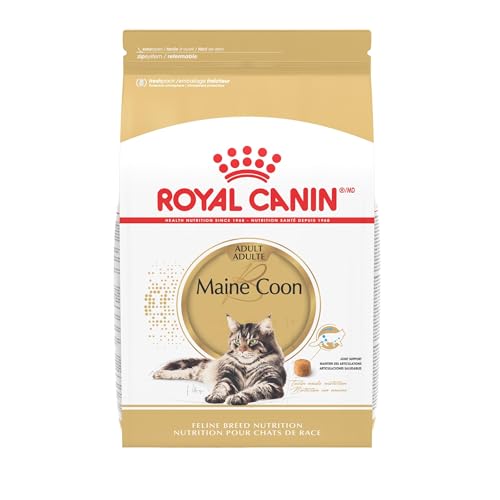
Our top pick is Royal Canin Maine Coon Adult Dry Cat Food, formulated specifically for the breed’s digestive needs and long coat. For a sensitive stomach option with novel protein, try Hill’s Science Diet Sensitive Stomach & Skin Chicken Recipe. If you need a budget-friendly wet food, Purina Pro Plan Focus Sensitive Skin & Stomach Salmon & Rice Formula offers great value.
What to consider for Sensitive Stomach Cat Food For Maine Coons
Maine Coons are one of the largest domestic cat breeds, often weighing 15 to 25 pounds. Their size means they have higher caloric needs, but their digestive systems can be sensitive. Many Maine Coons have food intolerances or allergies, leading to vomiting, diarrhea, or gas. Look for a diet with a single, high-quality animal protein source, limited ingredients, and added fiber like prebiotics to support gut health. Also consider their life stage: kittens need more protein and calories, while seniors may require lower phosphorus for kidney health. Wet food can aid hydration, which is important for urinary tract health in this breed.
What to look for in a cat food
Choose a cat food that is AAFCO complete and balanced for the appropriate life stage (kitten, adult, or senior). The first ingredient should be a named meat (e.g., chicken, salmon) to ensure high animal protein. Cats require taurine, an essential amino acid, so verify it is added. For sensitive stomachs, limited ingredient diets or novel proteins (like duck or venison) can help. Wet food has higher moisture content, supporting urinary health. Ensure the formula matches your cat’s age and health condition; avoid all-life-stages foods without checking suitability.
How we chose these picks
- Evaluated ingredient lists for named meat sources and absence of artificial additives.
- Checked that each formula meets AAFCO nutrient profiles for the intended life stage.
- Prioritized brands with a history of rigorous quality control and research.
- Considered specific breed needs: large kibble size for Maine Coons’ jaw structure, and added fiber for digestive health.
- Reviewed customer feedback for palatability and reported digestive improvements.
- Compared price per pound to offer options across budgets.
- Consulted veterinary nutrition guidelines for sensitive stomach diets.
- Never ranked a product higher just because it pays a commission.
What to avoid
- Avoid foods with unnamed meat or by-products as the first ingredient, which indicate low-quality protein.
- Steer clear of diets lacking taurine supplementation, as deficiency can cause serious health issues.
- Do not default to all-life-stages food for a senior or kitten without verifying it meets their specific needs.
- Never abruptly switch your cat’s food; transition over 7 to 10 days to avoid digestive upset.
For more cat care tips, explore our cat guides, cat food, and cat health resources.