Quick answer
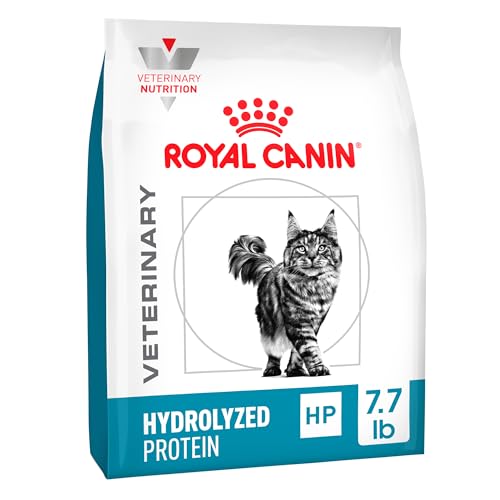
The best sensitive stomach cat food without fish is Hill’s Science Diet Sensitive Stomach & Skin Chicken Recipe. It uses highly digestible chicken protein and prebiotic fiber to support digestive health. For cats that need a novel protein, try Royal Canin Veterinary Diet Hydrolyzed Protein. If budget is a concern, Purina Pro Plan Sensitive Skin & Stomach Turkey & Oat Meal offers excellent value.
What to consider for Sensitive Stomach Cat Food Without Fish
Cats with sensitive stomachs often struggle with common protein sources like fish, which can cause allergies or digestive upset. Fish-free diets eliminate this trigger. Look for single or limited ingredient proteins such as chicken, turkey, or lamb. Digestibility is key: choose foods with prebiotics, probiotics, or easily digestible carbohydrates like rice or oatmeal. Avoid artificial additives, by-products, and excessive fat. Always transition slowly over 7 to 10 days to minimize stomach upset.
What to look for in a cat food
Select a cat food that is AAFCO complete and balanced for your cat’s life stage (kitten, adult, or senior). The first ingredient should be a named meat source like chicken or turkey, providing essential amino acids including taurine. Animal protein should dominate the ingredient list. For sensitive stomachs, moderate fat content (15 to 20% dry matter) and fiber (2 to 5%) are ideal. Wet food (78 to 85% moisture) can aid hydration and urinary health, while dry food offers convenience. Ensure the recipe is appropriate for any specific health conditions, such as urinary or weight management.
How we chose these picks
- Selected only fish-free formulas specifically marketed for sensitive stomachs or digestive health.
- Verified that each product is AAFCO complete and balanced for the appropriate life stage.
- Prioritized named meat as the first ingredient and limited use of fillers, artificial colors, or preservatives.
- Consulted ingredient lists and guaranteed analysis for digestibility indicators (prebiotics, probiotics, limited ingredients).
- Considered brand reputation and history of safety recalls.
- Included a range of formats (dry, wet) and price points to suit different needs.
- Never ranked a product higher just because it pays a commission.
What to avoid
- Avoid foods with no named meat (e.g., “meat meal” or “poultry meal”) or very low animal protein content.
- Steer clear of recipes deficient in taurine or that do not meet AAFCO nutrient profiles.
- Do not default to all-life-stages food for a senior or kitten without checking if it meets their specific needs (e.g., lower phosphorus for seniors, higher calories for kittens).
- Avoid abrupt diet switches; always transition slowly over 7 to 10 days to prevent digestive upset.
For more guidance, explore our cat guides and check out cat food and cat health resources.