Quick answer
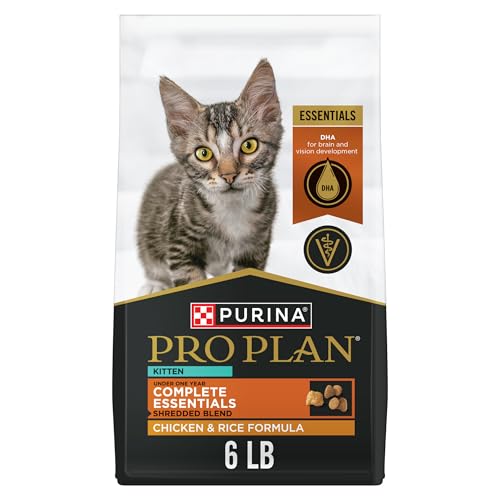
Our top pick for urinary cat food for kittens is Royal Canin Feline Health Nutrition Thin Slices in Gravy, because it provides balanced minerals and high moisture to support developing urinary tracts. For a budget-friendly option, Purina Pro Plan Focus Kitten Chicken & Rice Formula offers solid urinary support at a lower price. If your kitten prefers dry food, Hill’s Science Diet Kitten Healthy Development is a great choice.
What to consider for Urinary Cat Food For Kittens
Kittens have unique nutritional needs, including higher protein and calcium for growth, but they are also susceptible to urinary issues like crystals and infections. The ideal urinary kitten food should have controlled levels of magnesium, phosphorus, and calcium to reduce crystal formation risk, while maintaining proper hydration. Wet food is often recommended because it increases water intake, diluting urine. Always choose a food labeled as complete and balanced for growth or all life stages, and consult your veterinarian before making dietary changes, especially if your kitten has a history of urinary problems.
What to look for in a cat food
Look for an AAFCO statement confirming the food is complete and balanced for kittens or all life stages. The first ingredient should be a named meat source (e.g., chicken, salmon) to ensure high-quality animal protein. Adequate taurine is essential for heart and eye health, and most commercial kitten foods meet AAFCO minimums. Moisture content matters: wet foods (around 78% moisture) help dilute urine and support urinary health, while dry foods (around 10% moisture) are less hydrating. Choose a formula specifically designed for kittens or urinary health, and avoid generic all-life-stages foods that may not meet kitten requirements.
How we chose these picks
- Evaluated ingredient lists for named meat sources and appropriate mineral levels for urinary health.
- Checked AAFCO nutritional adequacy statements for growth or all life stages.
- Prioritized products from reputable brands with history of quality control and research.
- Considered moisture content and form (wet vs. dry) for urinary support.
- Read customer reviews to identify common benefits and complaints.
- Compared price per ounce or pound to offer options across budgets.
- Consulted veterinary nutrition guidelines and peer-reviewed research on feline urinary health.
- Never ranked a product higher just because it pays a commission.
What to avoid
- Avoid foods with unnamed meat or by-products as the first ingredient, which indicate lower protein quality.
- Steer clear of recipes that do not guarantee adequate taurine (most do, but check).
- Do not default to all-life-stages food for a kitten without verifying it meets growth requirements.
- Avoid abrupt diet changes; transition over 7 to 10 days to prevent digestive upset.
- Be cautious of grain-free diets unless your kitten has a diagnosed allergy, as they may be linked to dilated cardiomyopathy in some cases.
For more cat care tips, check out our cat guides, cat food reviews, and cat health articles.