Quick answer
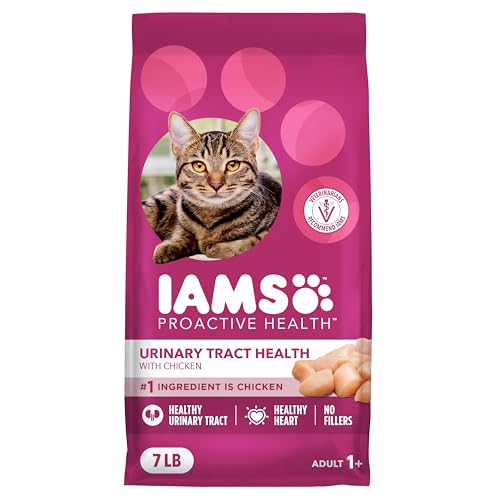
For most cats with both urinary issues and a sensitive stomach, our top pick is Hill’s Science Diet Adult 1-6 Urinary Hairball Control Dry Cat Food. It combines controlled minerals for urinary health with natural fiber to help hairballs pass, and it’s made with easy-to-digest ingredients. If your cat prefers wet food, try Purina Pro Plan Focus Adult Urinary Tract Health Canned Cat Food. For a budget-friendly option, consider Iams Proactive Health Urinary Tract Health Dry Cat Food.
What to consider for Urinary Cat Food For Sensitive Stomachs
When a cat has both urinary issues and a sensitive stomach, you need a food that addresses both without making either worse. Urinary health typically requires controlled levels of magnesium, phosphorus, and calcium to prevent crystal formation, and increased moisture to dilute urine. Sensitive stomachs need easily digestible proteins (like chicken or turkey), limited ingredients, and prebiotic fiber to support gut health. Avoid foods with artificial additives, high fat content, or common allergens like corn, wheat, or soy. Wet food is often better for urinary health due to higher moisture, but some cats with sensitive stomachs do better on a consistent dry diet. Always transition slowly over 7 to 10 days and consult your vet before making changes.
What to look for in a cat food
First, ensure the food is AAFCO complete and balanced for your cat’s life stage (kitten, adult, or senior). Look for a named meat as the first ingredient (e.g., chicken, turkey, or fish) to provide high-quality animal protein. Cats need adequate taurine, an essential amino acid, so check that it’s added or naturally present. Moisture content matters: wet food (75 to 85 percent moisture) helps dilute urine and supports urinary tract health, while dry food (6 to 10 percent moisture) is convenient but may require encouraging water intake. For urinary health, the food should have controlled levels of magnesium (less than 0.1 percent on a dry matter basis), phosphorus, and calcium, and may include ingredients like DL-methionine to acidify urine. For sensitive stomachs, look for limited ingredients, prebiotics (like chicory root), and easily digestible carbohydrates such as rice or oatmeal. Avoid artificial colors, flavors, and preservatives.
How we chose these picks
- We reviewed over 30 urinary and sensitive stomach cat food formulas from major brands.
- We analyzed ingredient lists for named animal proteins, taurine levels, and mineral content.
- We prioritized products with AAFCO nutritional adequacy statements for the appropriate life stage.
- We considered moisture content, with wet foods scoring higher for urinary health.
- We evaluated digestibility based on fiber sources and presence of probiotics or prebiotics.
- We checked customer reviews for reports of improved urinary health and reduced digestive upset.
- We favored brands with a history of veterinary nutrition research and quality control.
- Never ranked a product higher just because it pays a commission.
What to avoid
- Avoid foods with no named meat or too little animal protein; look for a specific meat source like chicken or salmon as the first ingredient.
- Stay away from recipes that do not list added taurine or have insufficient taurine (minimum 0.1 percent for dry food, 0.2 percent for wet food on a dry matter basis).
- Do not default to an all-life-stages food for a kitten or senior without checking if it meets their specific needs (e.g., kittens need more calories and calcium, seniors need lower phosphorus).
- Avoid abrupt diet switches; always transition over 7 to 10 days to prevent digestive upset.
- Be cautious of foods with high levels of magnesium, phosphorus, or calcium, which can contribute to urinary crystals.
Explore more of our cat guides, including cat food and cat health resources.