Quick answer
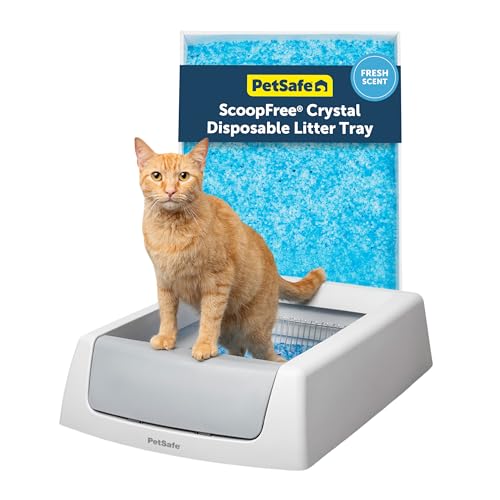
The PetSafe ScoopFree Self-Cleaning Litter Box is our top pick for Persian kittens because of its crystal litter that produces minimal dust, low entry step, and automatic raking that keeps waste away from tiny paws. For households with multiple cats, the Litter-Robot 4 offers a larger capacity and self-cleaning cycle that reduces odor. If budget is a concern, the Frisco Self-Cleaning Litter Box provides reliable performance at a lower price.
What to consider for Automatic Litter Box For Persian Kittens
Persian kittens have flat faces and are prone to respiratory issues, so a litter box with low dust is critical. The entry should be low (under 6 inches) to accommodate their small size. Look for a gentle cleaning mechanism that won’t startle them, such as a slow rake or sifting cycle. Noise level matters; a quiet motor helps prevent stress. Also consider the box’s footprint and whether it fits in a quiet corner. Safety features like sensors that stop the cycle if a cat enters are essential for kittens.
What to look for in a cat litter or litter-area product
Strong clumping and odor control: Clumping litter makes scooping easy and locks in moisture to reduce ammonia smells. Low dust for feline airways: Dust from clay litters can aggravate Persian kittens’ sensitive lungs; choose unscented, low-dust formulas. Low tracking: Large or heavy granules track less outside the box, keeping floors cleaner. Multi-cat suitability: If you have more than one cat, ensure the box can handle multiple uses before needing emptying. Unscented option for sensitive cats: Many cats dislike perfumes; an unscented litter avoids litter box aversion.
How we chose these picks
- We evaluated automatic litter boxes based on safety features, including motion sensors and anti-pinch mechanisms.
- We prioritized low-dust litter systems suitable for Persian kittens’ delicate respiratory systems.
- We considered ease of entry, favoring models with low thresholds and gentle ramps.
- We compared noise levels during cleaning cycles to ensure they wouldn’t startle young kittens.
- We assessed odor control effectiveness using crystal, clumping clay, or biodegradable litters.
- We reviewed customer feedback for reliability and durability over time.
- We factored in price and value, ensuring options across budgets.
- Never ranked a product higher just because it pays a commission.
What to avoid
- Heavily scented litters that may deter Persian kittens from using the box or cause respiratory irritation.
- High-dust clay litters that can exacerbate breathing issues in flat-faced breeds.
- A box that is too small or has a high entry, making it difficult for kittens to climb in and out.
- Sudden litter changes; always transition gradually over a week to avoid stress and avoidance.
For more advice, explore our cat guides, cat food, and cat care products sections.


