A German Shepherd puppy needs gentle, controlled exercise based on the five minute per month of age rule, so a four month old puppy gets roughly 20 minutes of structured activity once or twice a day. Protect growing joints by avoiding forced running, repetitive jumping, hard surfaces, and stairs. Mix short walks with free play and plenty of mental stimulation, and ask your vet if you have any joint concerns.
Why Puppy Exercise Needs Special Care
German Shepherds are an active, athletic breed, so it is tempting to run a young puppy until it is tired. The problem is that a puppy’s bones, joints, and growth plates are still developing. Growth plates are soft areas of cartilage at the ends of the long bones, and they do not fully close until your German Shepherd is roughly 18 to 24 months old. Too much high impact activity before this happens can damage these areas and raise the risk of long term joint problems such as hip and elbow dysplasia.
The goal during puppyhood is steady, controlled movement that builds muscle, coordination, and confidence without pounding the joints. Quality and variety matter far more than distance or speed.
The Five Minute Per Month Rule
A widely used rule of thumb is to give a puppy about five minutes of structured exercise per month of age, once or twice per day. This applies mainly to formal activity such as on lead walks, not gentle free play in the garden.
- Two month old puppy, around 10 minutes per session
- Three month old puppy, around 15 minutes per session
- Four month old puppy, around 20 minutes per session
- Six month old puppy, around 30 minutes per session
Treat these numbers as a guide rather than a strict target. Every puppy is different, so watch how your German Shepherd responds and adjust. If your puppy is dragging behind, lying down, or seems sore afterwards, you have done too much. When in doubt, do less and let your puppy build up slowly.
Protecting Developing Joints
Because the skeleton is still forming, certain activities put too much stress on a young German Shepherd. Until your vet confirms the growth plates have closed, it is safest to avoid the following.
- Forced or sustained running, such as jogging or cycling alongside you, where the puppy cannot stop and rest when it wants to
- Repetitive jumping, including jumping in and out of cars, off furniture, or repeated catching of a high thrown ball or frisbee
- Long sessions on hard surfaces like concrete and pavement, which create more impact than grass or soft ground
- Repeated climbing up and down stairs, which strains hips and elbows in a growing dog
- Long hikes or endurance walks that go far beyond your puppy’s age based limit
Lift your puppy in and out of the car while it is young, choose grass or trails where you can, and let your puppy set the pace. If you ever notice limping, stiffness, or reluctance to move, contact your vet before continuing any exercise program.
Suitable Types of Activity
Plenty of safe, low impact options will keep your German Shepherd puppy happy and well exercised. The aim is movement that the puppy controls itself.
- Short, sniffy walks on a lead at the puppy’s own pace, which double as gentle socialisation
- Free play in a secure garden where the puppy can run, pause, and rest as it likes
- Gentle games of fetch with the toy rolled low along the ground rather than thrown high
- Soft tug games using a proper tug toy, kept calm and short
- Basic obedience and recall practice, which tires the brain as much as the body
- Supervised play with calm, vaccinated adult dogs that will not be too rough
Mental Stimulation Matters Too
German Shepherds are highly intelligent working dogs, and a tired brain is just as important as a tired body. Mental work lets you wear out an energetic puppy without overloading the joints, and it builds the focus this breed loves.
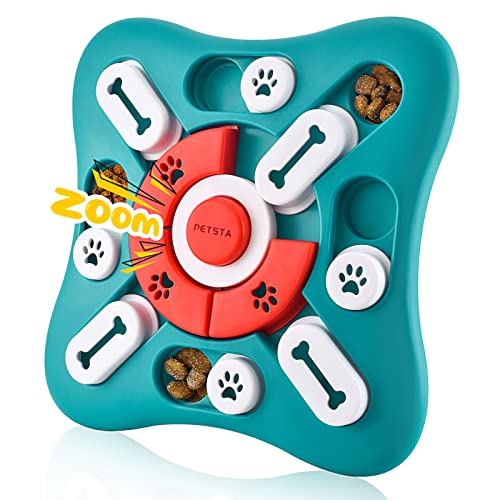
- Food puzzle toys and slow feeders that make your puppy think for its meals
- Short training sessions teaching sit, down, stay, and name recognition
- Scent games such as scattering kibble in the grass or hiding treats around a room
- Snuffle mats and lick mats for calm, settling enrichment
- Gentle exposure to new sights, sounds, surfaces, and people as part of early socialisation
A few short, upbeat training sessions each day will often calm a busy puppy far more effectively than another walk.
Signs of Over Exercise
Learning to read your puppy helps you stop before you push too far. Watch for these warning signs during and after activity.
- Lagging behind, lying down, or refusing to keep going
- Heavy, prolonged panting that does not settle with rest and water
- Limping, stiffness, or soreness, especially the next morning
- Reluctance to walk, jump onto a bed, or use the stairs after exercise
- Being overtired, restless, or unsettled rather than pleasantly sleepy
If your puppy shows any of these signs after activity, cut back the duration and intensity. Persistent limping, lameness, or pain is not normal and should always be checked by your vet, who can advise on safe exercise levels and screen for joint conditions in this breed.