Quick answer
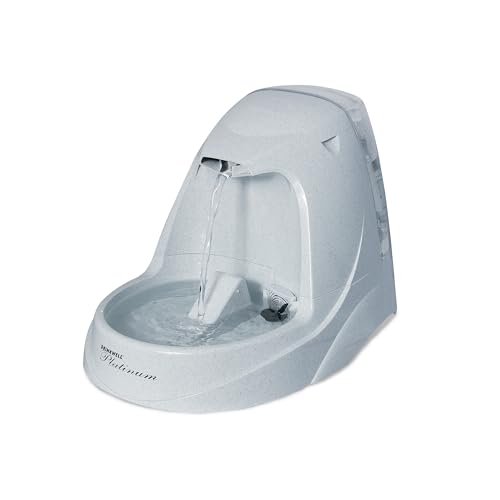
Our top pick for odor control is the Catit Flower Fountain, thanks to its triple-action carbon filter that traps impurities and odors. For multi-cat households, the larger PetSafe Drinkwell Platinum offers a high capacity and replaceable carbon filter. If you prefer a ceramic fountain that resists bacterial growth, the Pioneer Pet Raindrop is a sleek choice. Each fountain uses filtration to reduce odor-causing bacteria and keep water fresh.
What to consider for Cat Water Fountain For Odor Control
Odor in cat water fountains often stems from stagnant water, biofilm buildup, or trapped debris. A good fountain uses a pump to circulate water through a filter (usually activated carbon) that removes particles and absorbs odors. The filter needs regular replacement every 2 to 4 weeks to stay effective. Material matters: stainless steel and ceramic resist bacteria better than plastic, which can develop scratches that harbor microbes. Look for a fountain with easy-to-clean parts, preferably dishwasher-safe, to simplify maintenance. Noise level is also a factor; a quiet pump encourages drinking and reduces water splashing that can lead to odors. Finally, consider the water capacity relative to your cat’s drinking habits and the number of cats.
What to look for in a cat water fountain for odor control
- Activated carbon filter: Essential for trapping particles and absorbing odors. Replace as directed.
- Material: Stainless steel or ceramic are non-porous and easier to keep clean than plastic.
- Easy disassembly: Look for fountains that come apart quickly for thorough cleaning; dishwasher-safe parts are a plus.
- Quiet pump: A quiet pump reduces water noise and splashing, which can contribute to odor.
- Adequate capacity: Choose a fountain that holds enough water for your cat(s) to avoid stagnation.
- Multi-stage filtration: Some fountains include pre-foam or charcoal filters for additional odor control.
How we chose these picks
- Evaluated filter type and effectiveness for odor removal based on product specifications.
- Considered material quality and ease of cleaning to prevent bacterial growth.
- Checked pump noise ratings and user reviews for quiet operation.
- Assessed water capacity and flow settings for different household sizes.
- Prioritized fountains with replaceable filters and readily available refills.
- Reviewed safety features like cord management and low-voltage pumps.
- Never ranked a product higher just because it pays a commission.
What to avoid
- Plastic fountains: They can develop scratches that harbor bacteria and cause odors; opt for stainless steel or ceramic.
- Fountains with non-replaceable filters: These lose effectiveness over time and may require full replacement.
- Overly complex designs: Hard-to-clean crevices lead to biofilm and odors; choose a fountain with few parts.
- Ignoring filter maintenance: Not changing filters regularly allows odors to return; set reminders.
For more cat care advice, explore our cat guides, cat health, and cat care products sections.