Quick answer
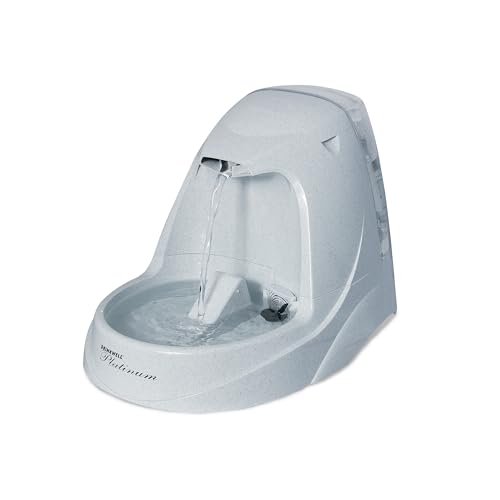
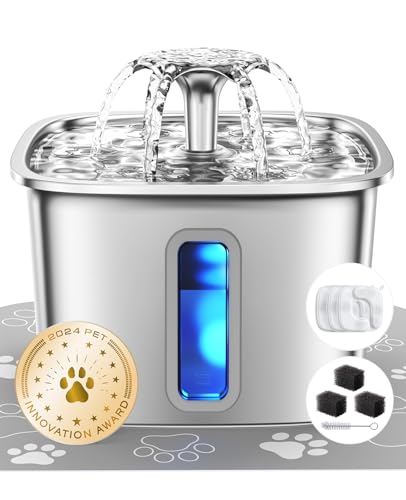
The Catit Flower Fountain is our top pick for dry food diets. Its triple-action filter removes debris and improves taste, while the gentle water flow and wide reservoir encourage frequent drinking. For multi-cat homes, the PetSafe Drinkwell Platinum offers a large capacity and adjustable flow. Budget-conscious owners will appreciate the Veken Fountain, which provides solid filtration at a lower price.
What to consider for Cat Water Fountain For Dry Food Diets
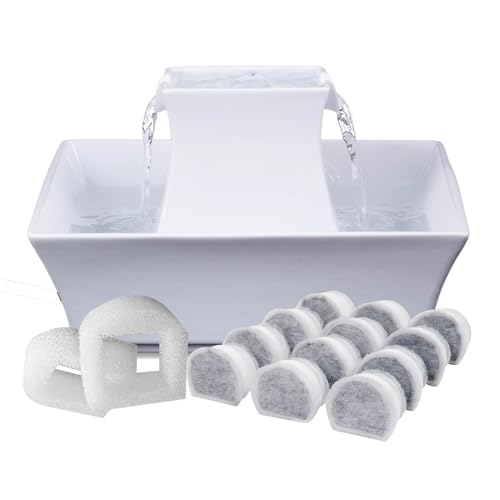
Dry food contains only about 10% moisture, so cats on such diets are prone to dehydration and urinary issues. A water fountain encourages drinking by providing fresh, moving water that appeals to a cat’s natural instincts. Key considerations include filtration quality (to remove hair and debris), material (ceramic or stainless steel are easier to clean and more hygienic than plastic), noise level (pump should be quiet), and ease of disassembly for regular cleaning. Capacity matters: a larger reservoir means less frequent refills, ideal for busy owners.
What to look for in a cat litter or litter-area product
For the litter area, strong clumping and odour control are essential to keep the box inviting. Low dust protects feline airways, especially for cats with respiratory sensitivities. Low tracking reduces mess around the box. In multi-cat households, a litter that handles multiple users without odour breakthrough is key. Unscented options are best for sensitive cats who may be put off by fragrances.
How we chose these picks
- Evaluated filtration systems: mechanical, chemical, and biological filters for water purity.
- Assessed material safety: ceramic and stainless steel over plastic to avoid chin acne and bacterial buildup.
- Considered pump noise levels; quieter models were preferred for uninterrupted sleep.
- Checked capacity and ease of cleaning: wide openings and dishwasher-safe parts were a plus.
- Reviewed customer feedback on durability and pump longevity over several months.
- Compared price points to offer options for different budgets.
- Never ranked a product higher just because it pays a commission.
What to avoid
- Heavily scented litters that put cats off the box; stick to unscented or mild natural scents.
- High-dust clay for cats with breathing issues; choose low-dust or dust-free alternatives.
- A box too small or too few boxes for the number of cats; follow the rule of one box per cat plus one.
- Sudden litter changes; transition gradually over a week to avoid litter box aversion.
For more guidance, visit our cat guides and explore cat food and cat care products.