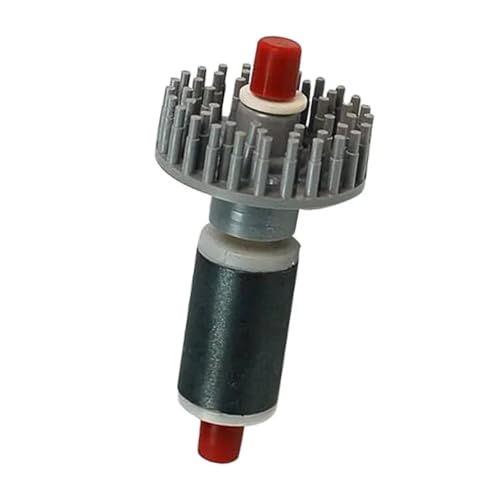
Choosing the right air pump
The best air pumps for aquariums are those that deliver a steady, bubble‑free flow, operate quietly, and are sized for the volume of your tank. A reliable pump keeps dissolved oxygen levels stable, improves circulation, and can help reduce harmful gases in the water. When shopping, start by noting the size of your aquarium, the type of fish you keep, and any special requirements such as live plants or corals that may need extra flow.
First, estimate the amount of air your tank needs. A common rule of thumb is to provide at least one litre of air per hour for every 10 litres of water, but more active species or heavily stocked tanks may benefit from higher output. Next, consider the noise level. Many hobbyists keep aquariums in living rooms or bedrooms, so a pump that runs below 40 decibels will keep the environment pleasant. Finally, think about durability. Pumps with replaceable diaphragms or sealed bearings last longer and are easier to maintain.
Pump types you will see
Aquarium air pumps fall into a few broad categories. Understanding the differences helps you choose a model that fits your setup.
-
Diaphragm pumps – The most common design for hobbyists. A flexible diaphragm moves up and down, drawing air in and pushing it out through a valve. They are affordable, easy to replace, and available in both single‑head and multi‑head versions.
-
Vented (or venturi) pumps – These use a water‑driven venturi effect to mix air into the water stream. They are quieter than diaphragm pumps and can create finer bubbles, but they require a steady water flow and are best used with a filtration system.
-
Bubble counters – Not a pump themselves, but an accessory that attaches to the output line to show bubble count. They are useful for monitoring performance and spotting clogs before they affect fish.
-
Quiet or silent pumps – Designed with sound‑absorbing housings and low‑vibration motors. They tend to be slightly more expensive, but the reduction in noise is noticeable in bedroom or office aquariums.
Each type has strengths and trade‑offs. Diaphragm pumps are versatile and readily available, vented pumps excel in creating fine bubble diffusion, and quiet pumps prioritize noise reduction for low‑impact environments.
Features that matter
When evaluating specific models, keep an eye on these practical features.
- Flow rate control – Adjustable output lets you fine‑tune the amount of air. A dial or valve that lets you increase or decrease flow is essential for tanks that change over time.
- Multiple heads – Pumps with two or more output lines can service separate sections of a larger aquarium, or power both a spray bar and a bubble stone simultaneously.
- Power consumption – Most hobbyist pumps run on 12‑volt DC adapters. Lower wattage means less heat and lower electricity cost, but make sure the pump still meets your flow requirements.
- Durability of the diaphragm – Look for models that advertise a replaceable diaphragm or a reinforced silicone membrane. This extends the pump’s life and reduces the need for a full replacement.
- Noise rating – Manufacturers sometimes list decibel levels. If you cannot find a rating, read user reviews for clues about how loud the pump is in real use.
- Mounting options – Some pumps come with suction cups or brackets that let you attach them directly to the tank side, keeping tubing tidy and reducing strain on the pump.
By focusing on these criteria, you can compare products without getting distracted by marketing claims that do not affect performance.
Matching pump to tank size and fish needs
Take the total water volume of your aquarium and apply the air‑to‑water guideline. For a 50‑litre community tank with active tetras and guppies, a pump delivering 5‑6 litres of air per hour is sufficient. If you add live plants that benefit from surface agitation, bump the output up by another litre or two.
For larger tanks, consider a multi‑head diaphragm pump. A 200‑litre system can be served by a pump with two 3‑head outputs, each feeding separate aeration stones placed at opposite ends of the tank. This helps maintain even circulation and prevents dead zones where oxygen may drop.
If you keep delicate species such as bettas or small fry, a quiet pump with a fine‑bubble stone is ideal. Fine bubbles increase the surface area for gas exchange, delivering more oxygen without creating strong currents that could stress the fish.
Always monitor your fish after installing a new pump. Look for signs of improved activity, steady breathing at the surface, and clean water clarity. If you notice persistent gas bubbles clinging to the glass or unusually loud operation, consider adjusting the flow or swapping to a quieter model. For any health concerns, consult a licensed veterinarian or an experienced aquarist.
Maintenance and troubleshooting
Regular maintenance keeps your pump performing at its best. Check the tubing weekly for blockages or algae buildup. If the pump loses output, clean the inlet filter screen and inspect the diaphragm for wear. Most diaphragm pumps allow you to replace the membrane without tools; follow the manufacturer’s instructions.
A common issue is over‑pressurization, where the pump pushes too much air into the tank and creates excessive surface turbulence. This can be resolved by reducing the flow rate or adding a venturi valve to calm the output. Conversely, under‑pressurization may indicate a clogged inlet or a failing diaphragm, both of which are easy to address with routine checks.
Keeping a spare diaphragm on hand can prevent downtime during busy weekends. Store replacement parts in a dry, cool place to avoid premature aging.
By selecting the right pump type, paying attention to key features, and matching output to your aquarium’s needs, you create a stable environment where fish thrive and your hobby remains enjoyable.
Key Takeaway
Choose a quiet, durable pump sized for your tank’s volume and adjust the flow to keep water oxygenated without creating strong currents.