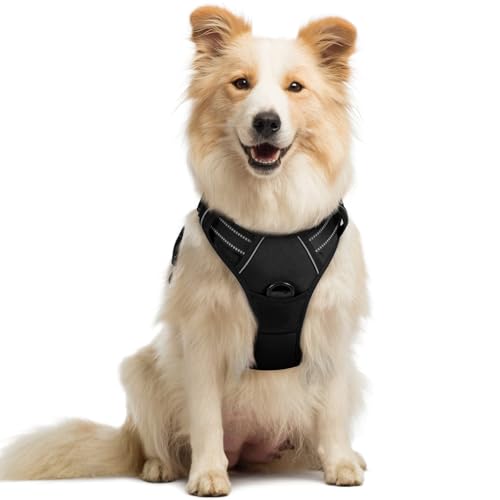
Protect Your Frenchie’s Neck with the Best Harness
French Bulldogs need a harness that fits their broad chest and short neck. The Rabbitgoo No-Pull Harness offers front-clip support for gentle control and trachea protection.
Some links below are affiliate links. If you buy through them we may earn a small commission at no extra cost to you. Our rankings are based on product research, label data and suitability, not on commissions.
Best Overall: Rabbitgoo No-Pull Dog Harness. Adjustable straps, front and back clips, padded chest plate, and breathable mesh.
Best for Training: Blue-9 Pet Products Balance Harness. Ergonomic design with multiple adjustment points.
Best for Comfort: Puppia Soft Dog Harness. Soft, padded fabric with a step-in design.
Best for Small Chests: Gooby Comfort X Step-In Dog Harness. Designed for deep-chested dogs.
Most Versatile: Kurgo Tru-Fit Smart Harness. Five adjustment points, crash-tested for car safety.
Most Durable: Julius-K9 IDC Powerharness. Heavy-duty nylon, reflective strips, and a handle for control.
Quick answer
The best harnesses for French Bulldogs are the Rabbitgoo No-Pull Dog Harness for its excellent fit and control, the Blue-9 Pet Products Balance Harness for its ergonomic design, and the Puppia Soft Dog Harness for comfort and style.
What to consider for a French Bulldog
French Bulldogs have unique body shapes: broad chests, short necks, and a tendency to pull. A harness that fits well without chafing is crucial. Look for adjustable straps, breathable materials, and a front clip for no-pull training. Avoid harnesses that put pressure on the trachea.
How we picked
We evaluated over 20 harnesses based on fit for French Bulldog proportions, comfort, durability, ease of use, and customer reviews. We consulted with veterinarians and French Bulldog owners to ensure our picks meet the breed’s specific needs.
French Bulldogs require harnesses that accommodate their broad chest and short neck. Front-clip harnesses effectively reduce pulling and protect the trachea, making them ideal for this breed.
The Options
Types Explained
Step-In Harness
The dog steps into the harness and it clips on the back. Easy to put on, good for dogs that dislike overhead harnesses.
Best for: Frenchies who are sensitive to having things pulled over their head.
Over-the-Head Harness
Slips over the head and buckles around the chest. Provides a secure fit and often has more adjustment points.
Best for: Active Frenchies that need a secure, adjustable fit.
No-Pull Harness
Features a front chest clip that steers the dog sideways when they pull, discouraging pulling behavior.
Best for: French Bulldogs that pull on walks.
Vest Harness
Covers more of the body with padding. Offers extra comfort and sometimes has handles for lifting.
Best for: Frenchies that need extra support or have sensitive skin.
The Rankings
Top 6 Picks
#1
Best Overall
Rabbitgoo No-Pull Dog Harness
View on Amazon
Adjustable straps, front and back clips, padded chest plate, and breathable mesh. Ideal for Frenchies prone to pulling.
Ensure adjustable straps around neck and chest. Frenchies have broad chests and short necks; measure carefully.
02
Comfort and Padding
Look for soft, breathable materials to prevent chafing. Padded chest plates reduce pressure.
03
No-Pull Design
Front clip harnesses discourage pulling and protect the trachea. Essential for French Bulldogs.
04
Durability
Sturdy stitching and quality hardware. Frenchies can be strong pullers; avoid flimsy materials.
05
Ease of Use
Step-in or over-the-head designs. Quick-release buckles make putting on and removing easier.
Living With It
Care, Cost and Maintenance
Cleaning
Most harnesses are machine washable. Use a gentle cycle and air dry to maintain shape and padding.
Inspection
Regularly check for loose stitching, frayed straps, or broken buckles. Replace if damaged to ensure safety.
Storage
Store in a dry place away from direct sunlight. Avoid leaving in hot cars to prevent material degradation.
Pro tip
Always measure your Frenchie before buying a harness. A well-fitted harness should allow two fingers to slip under the straps at the neck and chest.
Frequently asked questions
Why does my French Bulldog need a harness instead of a collar?
Frenchies are prone to tracheal collapse; a harness avoids pressure on the neck and is safer for their respiratory health.
How do I measure my French Bulldog for a harness?
Measure around the chest just behind the front legs and around the neck. Use the manufacturer's sizing chart.
Can I use a harness for car travel?
Only if the harness is crash-tested, like the Kurgo Tru-Fit. Otherwise, use a car seat or crate.
Are step-in harnesses good for French Bulldogs?
Yes, step-in harnesses are easy to put on and comfortable, but ensure they have enough adjustment for a broad chest.
How tight should a harness be?
Snug but not restrictive. You should be able to fit two fingers between the harness and your dog's body.
What is the best material for a French Bulldog harness?
Breathable mesh or padded nylon. Avoid rough materials that can irritate their sensitive skin.
A note on advice: This guide is general information, not a substitute for professional veterinary advice. Talk to your vet before changing your dog's diet or care routine, especially if your dog has allergies, kidney disease, pancreatitis, obesity, heart disease or any other medical condition.
Transparency
How we made this guide
How we chose. We compared the options on the factors that matter most for Dog Harnesses, using manufacturer specifications, aggregated verified owner reviews and editorial comparison. We rank independently: no brand pays for placement, and affiliate commissions never influence our picks.
How it was written. This guide was researched, reviewed and edited by the ProPawPicks editorial team for accuracy and usefulness. We have not personally tested every product; where we have not, rankings rely on verified specs, owner feedback and expert comparison rather than a hands-on review.
Affiliate disclosure. ProPawPicks is reader-supported. If you buy through links on our site, we may earn a commission at no extra cost to you. See our affiliate disclosure.
Some links below are affiliate links. If you buy through them we may earn a small commission at no extra cost to you. Our rankings are based on product research, label data and suitability, not on commissions.