Why Collars and Back-Clip Harnesses Are Dangerous for Frenchies

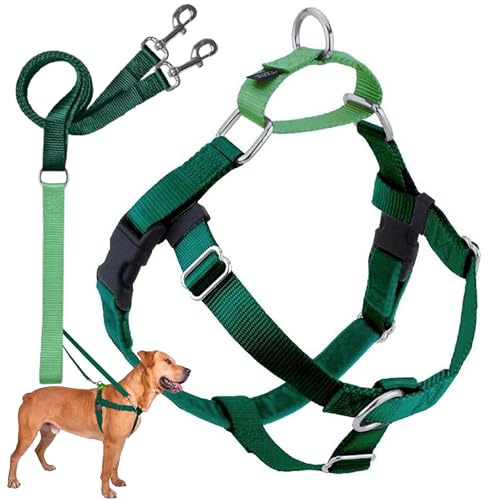
The best no-pull setup for French Bulldogs with breathing issues consists of a front-clip harness paired with a bungee leash. This configuration removes pressure from the throat and softens the impact of lunging, which is essential for a breed prone to respiratory distress. Using a traditional collar or a poorly designed harness can exacerbate existing conditions like Brachycephalic Obstructive Airway Syndrome (BOAS).

French Bulldogs are brachycephalic, meaning they have short skulls and flat faces. While adorable, this anatomy leads to narrowed nostrils, a soft palate that is too long, and a trachea that is often narrower than other breeds. When a dog wearing a standard collar pulls forward, the entire force of their weight is concentrated against the windpipe. For a Frenchie, this slight pressure can collapse the trachea or cause the soft palate to block the airway further. This turns a pleasant walk into a struggle for oxygen.

Back-clip harnesses, while often marketed as comfortable, can also be problematic for pullers. They attach to the leash at the center of the dog’s back, which actually encourages the opposition reflex. This reflex is a natural survival mechanism where a dog pushes against a force pulling them backward. Your Frenchie pulls, the harness resists, and they lean in harder to pull forward. This constant leaning puts strain on their entire respiratory system as they try to gulp air while constricting their chest expansion. If you notice your dog wheezing, gagging, or turning blue during walks, please stop the activity and consult a licensed veterinarian immediately to assess their respiratory health.

Essential Features of a Leash System

When selecting equipment for a dog with breathing difficulties, you must look for specific design elements that mitigate impact. The goal is to manage their movement without jarring their neck or restricting their breathing.

First and foremost, the leash must feature shock absorption. A leash made entirely of nylon or leather creates a hard line between you and the dog. If your Frenchie suddenly lunges at a squirrel, that hard line stops them instantly, causing a whiplash effect that snaps their head back. This is dangerous for the neck and spine. Instead, look for a leash with an integrated bungee section or an elastic shock absorber. This elasticity stretches slightly during a pull, gently decelerating the dog and dampening the jolt that would otherwise compress their neck and throat.

Second, the connection point is vital. As mentioned, a front-clip attachment allows you to steer the dog from their chest. When they pull forward, the harness turns their body sideways rather than letting them lean into the pull. This steering mechanism gives you control without needing to yank on the leash harshly. A gentle tug on the side is much safer for a sensitive airway than a strong backward pull on the neck.

Third, consider the hardware. Heavy metal clasps can add unnecessary weight to a small dog’s neck or chest. Look for lightweight but strong materials like aircraft grade aluminum or reinforced plastic. The harness itself should have wide, padded straps. Narrow straps can dig into the skin, especially if the dog is pulling, creating pressure points that can make breathing uncomfortable or damage the skin. Wide straps distribute the pressure over a larger surface area, making the experience more comfortable and less restrictive.

Recommended Product Types

Rather than looking for a specific brand, focus on the structural style of the equipment. The following types are generally considered the safest options for dogs with respiratory compromise.

The Y-shaped front-clip harness is widely regarded as the gold standard for avoiding shoulder restriction. Unlike harnesses that form a straight line across the front of the chest, which can inhibit the shoulder blade movement and affect a dog’s gait, the Y shape allows full range of motion. This type typically features a strap that sits between the front legs, a strap going down the chest, and the leash attachment located on the chest strap, well below the throat. This ensures that any tension from the leash is applied to the sternum rather than the neck.

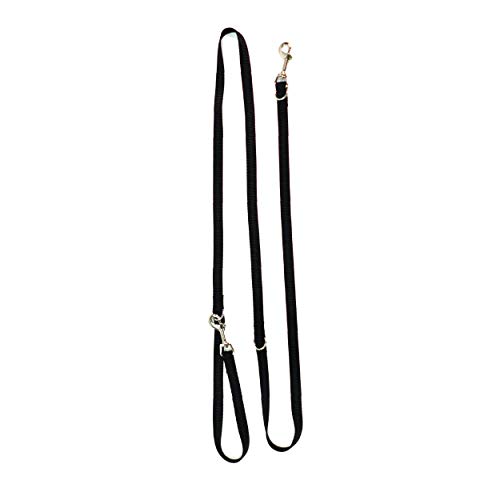
The dual-clip bungee leash offers versatility for owners. These leashes usually have a hook at both ends and handles at various intervals. You can attach one hook to the front of the harness and one to a loop on the back, creating a balance of steering and stopping power. This configuration prevents the harness from twisting to the side, which can sometimes happen with only a front clip. The bungee element is integrated into the main cord of the leash, absorbing the shock of sudden stops.

A head halter is another option, but it must be introduced with extreme caution for French Bulldogs. Head collars loop around the snout and behind the ears, allowing you to steer the dog by controlling where their head points. While highly effective for pulling, some dogs find them stressful, and incorrect fitting can irritate the eyes. For a Frenchie with breathing issues, ensure the nose loop allows them to open their mouth fully to pant. If your dog struggles to breathe or fights the halter intensely, remove it and consult a professional trainer or veterinarian for alternatives.

Training Techniques to Reduce Straining

Equipment is only half the battle. Training is necessary to reduce the urge to pull, which will ultimately make walks safer and more enjoyable for both of you.

The “Be a Tree” method is simple but effective. Whenever the leash becomes tight, stop walking immediately. Do not pull back on the leash. Just freeze. Wait for your dog to look back at you or release the tension on the leash. The moment there is slack, reward them with a treat and move forward. This teaches the dog that pulling gets them nowhere, while walking nicely gets them where they want to go.

Since French Bulldogs are highly food motivated, use high value treats to keep their attention on you rather than distractions. Walk with a pocket full of small, soft treats. Periodically lure your dog to walk right next to your leg, treating them frequently for staying in that position. If you see something that will trigger a pull, like a squirrel or another dog, create distance before the reaction occurs and reward your dog for focusing on you instead.

Always keep walks short and frequent, especially in warm weather. French Bulldogs overheat easily, and heat stress dramatically increases breathing difficulty. If your dog starts to pant heavily with a tongue hanging out far to the side, stop and rest in the shade. Prioritizing your dog’s respiratory health over getting a long walk in is crucial.

Key Takeaway

For French Bulldogs with breathing issues, always pair a front-clip, Y-shaped harness with a bungee leash to prevent neck pressure and reduce the risk of airway obstruction during walks.

Sources