Ask anyone who has lived with a Border Collie and you will hear the same thing: this is not a dog you own so much as a dog you keep up with. Bred on the hills of the Anglo-Scottish border to move livestock all day on almost no rest, the Border Collie brings that same intensity into a suburban living room. The intelligence is real, the work ethic is real, and so is the boredom that sets in when a dog this capable has nothing to do.
This guide walks through what daily life with a Border Collie actually asks of you, from exercise and feeding to grooming, health and whether the breed fits your home at all. We have kept it honest rather than rosy, because the happiest Border Collies belong to owners who knew what they were signing up for.
What Makes a Border Collie Different
Most dogs were bred to look a certain way. Border Collies were bred to think. For more than a century, breeding decisions were made almost entirely on working ability, which is why the breed consistently tops canine intelligence rankings and why it needs a job far more than it needs a show ring.
That working brain shows up in small ways. The breed is famous for “the eye,” a low, crouched stare it uses to control sheep, and many owners notice their dog fixing them with that same intense look at home. If you have ever wondered why your Border Collie stares at you, it is usually that herding instinct looking for direction. Give it an outlet and the staring becomes focus. Ignore it and the same drive turns into pacing, nipping at heels, or inventing chores you did not ask for.
Exercise and Mental Stimulation Come First
If you take one thing from this guide, make it this: a Border Collie needs its mind tired, not just its legs. A long walk barely takes the edge off. These dogs were built to problem solve, and a dog that only gets physical exercise often stays wound up because the thinking part was never touched.
Plan for a genuine commitment here. Our breakdown of realistic Border Collie exercise requirements covers how much a healthy adult actually needs, but the short version is a mix of hard physical activity and structured mental work every single day. Fetch, flyball, agility, scent games, trick training and puzzle feeders all count, and rotating them keeps the dog guessing. This is also why the breed struggles in the wrong setting, so it is worth being honest about how much space a Border Collie needs before you bring one home.
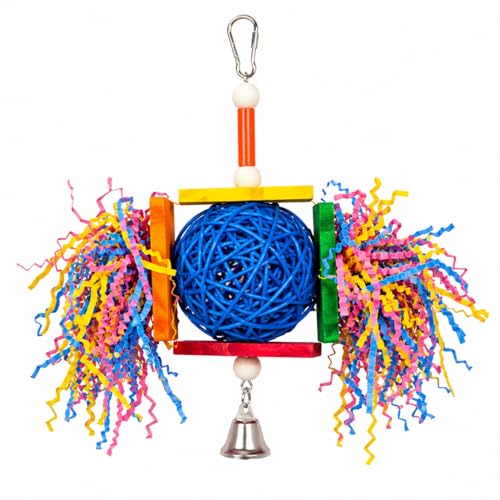
Good gear makes the daily grind easier. Tough, interactive toys are close to essential rather than optional, and our team’s picks for the best dog toys for a Border Collie lean toward the ones that survive an obsessive chewer and keep the brain engaged.
Feeding a High Drive Dog
A working brain and a working body burn real fuel. Border Collies do best on a complete, protein forward diet matched to their age and activity level, and portions matter because a bored, under exercised Collie can gain weight quietly. Puppies, hard working adults and older dogs all have different needs, so treat feeding as something you adjust rather than set once.
For a fuller look at diet types, portion guidance and what to prioritise on a label, see our guide to what Border Collies eat. Whatever you choose, keep fresh water available around exercise and avoid heavy meals right before hard activity.
Grooming and Coat Care
Border Collies come in rough and smooth coats, and both shed, with heavier blowouts twice a year as the seasons change. The good news is that the coat is fairly low maintenance if you stay on top of it. A weekly brush most of the year, stepping up to several times a week during a shed, keeps loose hair and matting under control, especially behind the ears and around the britches.
You do not need to bathe them often, and over washing strips the coat’s natural weatherproofing. Our practical notes on how often to groom a Border Collie go into brushing frequency, bathing and nail care in more detail.
Health and Lifespan
Border Collies are generally hardy and often live well into their teens. Our overview of Border Collie lifespan looks at the numbers and the habits that push a dog toward the longer end of that range, with weight, exercise and dental care doing most of the heavy lifting.
Like many active breeds, they can be prone to joint issues, and hip dysplasia is one to watch as the dog ages. Knowing the early signs of hip dysplasia in Border Collies, such as stiffness after rest, a bunny hopping gait or reluctance on stairs, means you can raise it with your vet early rather than late. Buying from breeders who health test their stock helps too.
Living Space and Family Life
Border Collies bond hard with their people and can be wonderful family dogs, but the herding instinct deserves respect around young children, since some dogs will try to gather and nudge running kids. Early socialisation and clear boundaries make a big difference, and our take on whether Border Collies are good with kids is realistic about the trade offs.
They can live in smaller homes if, and only if, the exercise and mental work are non negotiable. A house with a secure yard suits them, but access to open space to run is what truly keeps this breed balanced.
Essential Gear for a Border Collie
You do not need much, but a few things earn their place. A secure crate gives a high drive dog a calm off switch and helps enormously with house training, and because Collies are clever escape artists, our roundup of the best crates for a Border Collie favours genuinely escape resistant designs. A well fitted collar and, for owners who hike or let their dog range off lead, a reliable GPS tracker add a layer of safety for a dog that can cover ground fast.
Is a Border Collie Right for You?
Be honest with yourself. A Border Collie rewards active, engaged owners who enjoy training and want a dog to do things with, and it frustrates people who wanted a calm companion to share the sofa. If your week already has room for daily exercise, games and a bit of training, few breeds will give you more back. If it does not, a lower drive breed will make both of you happier.
Frequently Asked Questions
Are Border Collies good for first time owners?
They can be, but only for a committed first time owner who has done the homework. The intelligence that makes them trainable also makes them quick to pick up bad habits if left bored, so structure matters from day one.
How much exercise does a Border Collie really need?
Plan on a couple of hours of combined physical and mental activity a day for a healthy adult. The mental half is what most new owners underestimate.
Do Border Collies bark a lot?
They can be vocal, especially when under stimulated or when their herding instinct is triggered by movement. Meeting their needs and teaching a quiet cue keeps it manageable.
Can a Border Collie live in an apartment?
It is possible but hard. Without a yard you become the sole source of exercise and enrichment, every day, which is a real commitment few apartments make easy.
A Border Collie will hand you the best dog you have ever had if you meet it halfway. Match its energy, give its mind a job, and you will have a loyal, brilliant partner for well over a decade.