You’re standing in the produce aisle, holding a bright orange, and your bird is watching you from your shoulder with that curious head tilt. You wonder: can birds eat citrus? The short answer is yes, most pet birds can enjoy citrus fruits as an occasional treat. But like many good things, there are some important details to know before you share that slice. Whether you have a budgie, cockatiel, African grey, or a larger parrot, this guide covers everything you need to know about feeding citrus to your bird safely and happily.
Which Citrus Fruits Are Safe for Birds?
Oranges, tangerines, clementines, grapefruit, and even lemons and limes are all safe for most pet birds when offered in small amounts. The flesh and the inner white pith are fine, but you should always remove the seeds and peel. The peel often contains pesticides and essential oils that can be irritating. Stick to fresh, organic fruit when possible, and wash it thoroughly before cutting. Avoid any citrus that looks moldy or overripe, as mold can be toxic to birds. A small wedge of orange once or twice a week is a great starting point for most species.
Are There Risks to Feeding Citrus to Birds?
Yes, there are a few risks to keep in mind. The main concern is acidity. Citrus fruits are highly acidic, and in large amounts they can cause digestive upset, loose droppings, or even mouth irritation in sensitive birds. This is especially true for smaller birds like budgies and cockatiels. Another risk is iron storage disease, which affects some species like toucans and mynahs, but also certain parrots. Citrus contains vitamin C, which can increase iron absorption. If your bird has a predisposition to iron storage disease, consult your vet before offering citrus. Finally, always remove seeds, as some citrus seeds contain trace amounts of compounds that can be harmful in large quantities.
How to Serve Citrus to Your Bird
Start small. Offer a single segment of orange or a thin slice of grapefruit, and watch how your bird reacts. Some birds love the tangy taste, while others turn up their beak. You can serve the fruit directly in a bowl, or for extra enrichment, clip a wedge to the cage bars or place it on a safe perch. Speaking of perches, having the right setup makes treat time more enjoyable. A sturdy, comfortable bird perch gives your bird a stable spot to hold the fruit while eating. For smaller birds like budgies, a Penn-Plax Mirror Bird Bath for Budgies can double as a fun way to offer a refreshing citrus-scented bath on a warm day, just don’t add juice to the water. Always remove any uneaten citrus after a few hours to prevent spoilage and bacterial growth.
“A slice of orange shared with your bird is a moment of trust, not just a snack.”
Citrus and Vitamin C: Do Birds Need It?
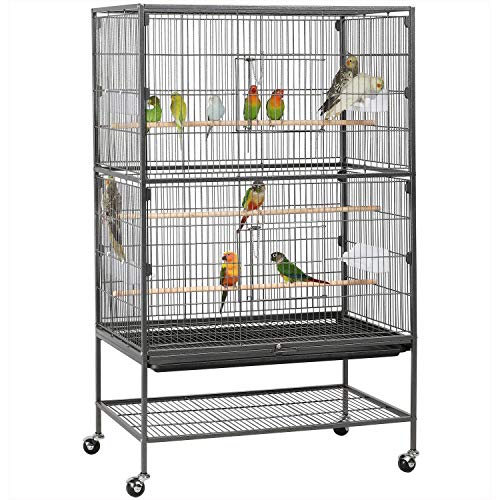
Unlike humans, most birds can synthesize their own vitamin C, so they don’t need citrus to meet their nutritional needs. However, adding a small amount of vitamin C from fresh fruit can support their immune system, especially during molting, stress, or recovery from illness. The key is balance. Too much citrus can lead to diarrhea or an upset crop. A good rule of thumb is to make citrus no more than 5-10% of your bird’s weekly fruit intake. For a cockatiel, that might mean one small wedge of orange per week. For a larger African grey, two to three segments spread across the week is fine. If you’re looking for more ways to keep your bird active and healthy, a spacious best flight cage for Cockatiel gives them room to exercise and explore, which is just as important as diet.
Wild parrots in the Amazon rainforest are known to eat citrus fruits that fall from trees, but they also eat clay from riverbanks to neutralize the acids. Your pet bird doesn’t need clay, but offering a cuttlebone or mineral block can help balance their digestive system.
Which Birds Should Avoid Citrus Altogether?
While most parrots, budgies, cockatiels, and conures can handle small amounts of citrus, some birds are more sensitive. African grey parrots, for example, are prone to calcium deficiency and iron storage disease. Because vitamin C can increase iron absorption, some avian vets recommend limiting citrus for African greys. Always check with your vet if you’re unsure. Birds with a history of digestive issues, like recurrent yeast infections or sour crop, should also avoid citrus because the acidity can worsen these conditions. For sensitive birds, stick to low-acid fruits like papaya, mango, or berries instead. If you have an African grey, you might also enjoy a gentle bird bath for African Grey to help them cool off and stay clean without any dietary risks.
Can Birds Eat Citrus Peels and Leaves?
No, you should not feed citrus peels or leaves to your bird. The peels contain essential oils like limonene that can be irritating to a bird’s digestive tract and respiratory system. They also often have pesticide residues even after washing. The leaves of citrus trees are also not recommended, as they contain compounds that can be toxic in larger amounts. Stick to the flesh and the white pith, which is actually a good source of fiber. If you want to offer a more natural foraging experience, consider using a bird stand with foraging toys where you can hide safe treats like chopped apple or carrot instead.
In the end, feeding citrus to your bird is a personal choice that depends on your bird’s species, health, and taste preferences. Start slow, watch for any changes in droppings or behavior, and always prioritize variety in your bird’s diet. A happy bird is one that gets a little bit of everything, including the occasional tangy surprise.