You’re sitting on the couch, enjoying a warm slice of toast, and your cat strolls over with that look. You know the one: wide eyes, a soft meow, and a paw that reaches up like they deserve a bite. It’s tempting to share, especially when they seem so interested. But before you break off a piece, you need to know: can cats eat bread safely? The short answer is yes, but only under very specific conditions. Let’s walk through what’s okay, what’s not, and how to keep your cat healthy without spoiling their dinner.
Is Bread Toxic to Cats?
Plain bread made from wheat, flour, water, and yeast is not toxic to cats. Your cat’s digestive system is designed for meat, not grains, but a small piece of fully baked white or whole wheat bread won’t poison them. The real danger comes from what’s in the bread or on it. Garlic bread, raisin bread, bread with chocolate chips, or anything containing xylitol (a sugar substitute) can be seriously harmful. Always read the ingredients before sharing even a crumb. If your cat sneaks a bite of plain bread, don’t panic. Just watch for any upset stomach, and if you’re worried, a quick call to your vet is the safest move.
Nutritional Value: Why Bread Is Empty Calories for Cats
Cats are obligate carnivores. That means their bodies are built to get energy and nutrients from animal protein, not carbohydrates. Bread is mostly carbs and offers zero essential vitamins or minerals that your cat needs. Feeding bread regularly can fill them up without providing real nutrition, leading to weight gain or nutrient deficiencies over time. If your cat is prone to hairballs or digestive issues, a high-quality diet matters more than ever. For cats that struggle with hairballs, you might want to check out Cut Indoor Hairballs: Top Cat Food Reviewed for options that support digestion and coat health. Stick to treats made for cats, like Expert Picks: Best Freeze-Dried Turkey Cat Treats, which are protein-rich and much closer to what their bodies actually need.
A cat’s taste buds don’t even register sweetness the way ours do. That bread you’re enjoying? Your cat is probably just curious about the texture or the smell of butter, not the flavor of the bread itself.
The Hidden Danger: Raw Dough and Yeast
While baked bread is generally safe in tiny amounts, raw bread dough is a completely different story. If your cat eats raw dough, the yeast can continue to ferment in their warm stomach, producing alcohol and gas. This can cause bloating, pain, and even alcohol poisoning, which is a medical emergency. Symptoms include vomiting, disorientation, and a swollen belly. Never leave rising dough unattended where your cat can reach it. If you suspect your cat ate raw dough, get to the vet immediately. This is one situation where you don’t wait and see.
How Much Bread Is Too Much?
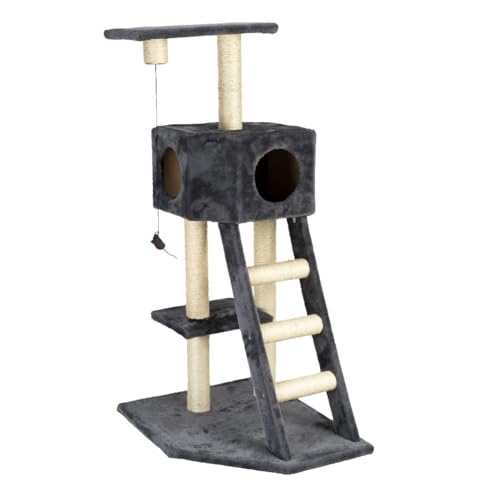
Think of bread like a single french fry from your plate: a tiny, rare taste, not a meal. A piece no bigger than your thumbnail, offered once in a while, is the maximum. Any more than that can lead to digestive upset, diarrhea, or constipation. Cats’ systems aren’t built to process large amounts of grain or fiber. If your cat has a sensitive stomach or a history of blockages, it’s better to skip bread entirely. Instead, redirect that snack-seeking behavior with a safe alternative. And if your cat is the type that loves to nibble on everything, keeping them engaged with a Top 5 Cat Scratching Posts can help distract them from your plate during meal times.
“A crumb of bread won’t hurt your cat, but a habit of sharing can. Keep treats rare and real.”
What About Bread Crusts or Whole Wheat Bread?
Bread crusts are just bread, so the same rules apply: plain, no additives, and in very small amounts. Whole wheat bread has a bit more fiber, but that doesn’t make it healthier for your cat. In fact, too much fiber can cause loose stools or gas. White bread is actually easier on a cat’s stomach because it’s more processed and less likely to cause irritation. If you’re choosing between the two, plain white bread is the safer bet. Just remember: neither one is a necessary part of your cat’s diet. Their food bowl should be filled with balanced cat food, not human snacks.
When Bread Might Actually Help (Rarely)
Some cat owners have heard that a small piece of bread can help settle a cat’s stomach or help pass a hairball. While there’s a grain of truth there (bread can absorb some stomach acid and add bulk to stool), it’s not a reliable remedy. There are much better, vet-informed solutions for hairballs and digestion. For example, specialized cat foods and treats are formulated to move hair through the digestive tract safely. If your cat is dealing with frequent hairballs, check out Cut Indoor Hairballs: Top Cat Food Reviewed for options that actually work. And if your cat tends to gobble food too fast, using an elevated ceramic cat bowl can help slow them down and reduce vomiting. Bread is not a medicine, so don’t rely on it as one.
What to Do If Your Cat Eats Bread With Toxic Ingredients
If your cat gets into bread that contains garlic, onions, raisins, chocolate, or xylitol, act fast. These ingredients can cause serious health issues like anemia, kidney failure, or a dangerous drop in blood sugar. Call your veterinarian or a pet poison hotline immediately. Have the bread packaging handy so you can list the ingredients. Do not try to induce vomiting unless a professional tells you to. Quick action can make all the difference. For everyday safety, keep all bread products stored in cabinets or sealed containers where your cat can’t paw them open.
At the end of the day, your cat’s health and happiness come from a diet built for their carnivore needs. A tiny piece of plain bread now and then is not a crisis, but it’s not a treat they need. Focus on high-quality cat food, proper hydration, and enrichment like cat scratching barrels and posts to keep them stimulated. When in doubt, always ask your vet before introducing any human food. Your cat will thank you with purrs, not crumbs.