You are sitting down to a big bowl of spaghetti, and your cat strolls over, eyes fixed on that twirling forkful. Maybe you have wondered, “Can cats eat pasta?” The short answer is yes, plain cooked pasta is not toxic to cats, but that does not mean it is a good idea. Cats are obligate carnivores, meaning their bodies are designed to get nutrients from meat, not grains. Before you share a noodle, you need to know exactly what is safe, what is dangerous, and how to keep your cat healthy while still letting them feel included at dinner time.
Is Plain Pasta Safe for Cats?
Plain, fully cooked pasta (wheat, rice, or gluten-free varieties) is technically safe for cats in very small portions. A single plain noodle, cut into bite-sized pieces, is unlikely to cause harm. However, pasta is essentially empty calories for a cat. It provides carbohydrates and fiber but none of the essential amino acids like taurine that cats must get from animal protein. Feeding too much can fill up your cat’s stomach, leaving less room for their nutritionally balanced cat food. If your cat has a sensitive stomach or a history of digestive issues, even a small piece might cause loose stools or vomiting. Always introduce any new human food slowly and watch for reactions.
The Hidden Dangers: Sauces, Seasonings, and Ingredients
The real risk with pasta is not the noodle itself, it is what you put on it. Garlic and onions, common in pasta sauces, are toxic to cats and can damage their red blood cells, leading to anemia. Even small amounts of garlic powder or onion powder can be dangerous. Tomato-based sauces are also problematic because they are acidic and often contain added salt, sugar, and herbs that can upset your cat’s stomach. Cheese sauce or creamy alfredo is high in fat and lactose, which most adult cats cannot digest properly, often causing diarrhea. Never share pasta that has been cooked with broth, oil, butter, or any seasoning. The only safe option is a single plain noodle that has been boiled in water with no additives.
“A plain noodle might not hurt your cat, but a plate of spaghetti with garlic sauce could send them to the emergency vet.”
How Much Pasta Can a Cat Eat?
If you decide to offer a plain noodle, keep the portion tiny. A good rule of thumb is no more than one or two small pieces, about the size of your cat’s regular kibble, and only as an occasional treat, not a daily habit. For an average 10-pound cat, that means less than a tablespoon of cooked pasta total. Overfeeding carbohydrates can contribute to obesity, diabetes, and digestive upset in cats. Remember, treats of any kind should make up no more than 10 percent of your cat’s daily calorie intake. If your cat is on a special diet for weight management or health conditions, skip the pasta entirely and ask your vet for safer treat options.
Cats cannot taste sweetness, so they are not drawn to pasta for its flavor. They are likely interested in the texture, the warmth, or simply the fact that you are eating something and they want to be part of the action.
Healthier Alternatives to Pasta for Your Cat
If you want to give your cat a special treat that is both safe and nutritious, skip the pasta and reach for something meat-based. Cats thrive on animal protein, so a small piece of plain cooked chicken, turkey, or fish (without bones, skin, or seasoning) is a much better choice. You can also offer a few freeze-dried turkey cat treats, which are single-ingredient and full of the protein your cat craves. For cats that love to chew and play while eating, consider using a Necoichi elevated ceramic cat bowl to make mealtime more comfortable and reduce whisker fatigue. And if your cat tends to scarf down food too fast, a slow feeder or puzzle bowl can help prevent vomiting.
What to Do If Your Cat Eats Pasta with Sauce or Seasoning
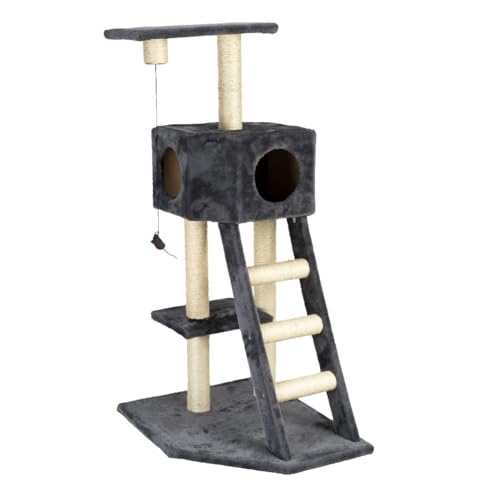
If your cat snatches a noodle off your plate that was coated in garlic, onion, or heavy sauce, do not panic. A single lick or tiny piece is unlikely to cause serious harm, but you should monitor them closely for the next 24 hours. Watch for signs like vomiting, diarrhea, lethargy, pale gums, or loss of appetite. If you notice any of these symptoms, or if your cat ate a large amount of seasoned pasta, contact your veterinarian immediately. It is always better to be safe. Keep garlic and onion powders out of reach, and store leftover pasta where your cat cannot get into it. If your cat is prone to sneaking food, consider using a cat backpack carrier with a bubble window for supervised outdoor trips where food might be dropped, or redirect their attention with a scratching post to keep them busy during your meals.
Can Kittens Eat Pasta?
Kittens have even more sensitive digestive systems than adult cats, and their nutritional needs are very specific for growth. Plain pasta offers no benefit and can cause diarrhea or an upset stomach in a kitten. Stick to a high-quality kitten food that meets AAFCO standards. If you want to give your kitten a special treat, offer a tiny piece of plain cooked chicken or a commercial kitten-safe treat. Always consult your vet before introducing any new food to a kitten’s diet. For adult cats with hairball issues, switching to a specialized diet like indoor hairball cat food can be more helpful than adding fiber from pasta.