You are curled up on the couch with a big bowl of warm popcorn, and your cat is staring at you with those wide, hopeful eyes. It is tempting to toss a kernel their way, but before you do, you need to know the real answer to “can cats eat popcorn?” The short answer is yes, but only under very specific conditions. Plain, air-popped popcorn is not toxic to cats, but the butter, salt, and seasonings we love can cause serious health issues. Let us break down exactly what is safe, what is not, and how to handle those pleading meows.
Is Plain Popcorn Safe for Cats?
Plain, air-popped popcorn is technically safe for cats in very small quantities. A few pieces here and there will not harm a healthy adult cat. Popcorn is mostly fiber and carbohydrates, which are not part of a cat’s natural diet as obligate carnivores. Cats need protein from meat, not empty carbs. That said, a single unseasoned kernel is not a toxin. The real danger comes from what we add to popcorn: butter, oil, salt, garlic powder, onion powder, and artificial flavors. These additives can cause digestive upset, pancreatitis, or even toxicity in cats. If you share popcorn, it must be completely plain and air-popped, not microwaved or movie-theater style.
The Hidden Dangers: Butter, Salt, and Seasonings
The biggest risks come from the toppings. Butter and oils are high in fat, and cats have a hard time digesting large amounts of fat. Eating buttery popcorn can lead to vomiting, diarrhea, or even pancreatitis, a painful inflammation of the pancreas. Salt is another concern. A cat’s kidneys are not designed to handle high sodium levels, and too much salt can cause sodium ion poisoning, which leads to tremors, seizures, or worse. Seasonings like garlic and onion powder are especially dangerous because they damage red blood cells and can cause anemia. Even small amounts of these powders are toxic to cats. So, if your popcorn has any of these, keep it far away from your cat.
Never feed your cat popcorn that contains garlic or onion powder, even in small amounts. These ingredients are toxic to cats and can cause serious health issues. If your cat accidentally eats seasoned popcorn, contact your veterinarian immediately.
Choking Hazards and Dental Risks
Popcorn kernels and hulls pose a real choking hazard for cats. Cats do not chew their food thoroughly, and a hard, unpopped kernel can get stuck in their throat or cause damage to their teeth. Even popped kernels have sharp hulls that can lodge between teeth or irritate the gums. This is especially risky for kittens or senior cats with weaker teeth. To minimize danger, only offer a few fully popped, soft pieces, and make sure there are no unpopped kernels mixed in. If your cat has a history of dental problems, it is better to skip popcorn entirely and offer a safe cat treat instead. For keeping your cat’s teeth healthy between treats, regular brushing with a good cat nail trimmer and dental care routine helps, but ask your vet about dental chews.
How Much Popcorn Can a Cat Eat?
If you decide to share plain, air-popped popcorn, limit it to one or two small pieces, and only as an occasional treat, not a daily snack. A cat’s digestive system is not built for starches, and too much popcorn can cause bloating, gas, or constipation. Think of popcorn like a tiny novelty, not a meal replacement. If your cat has a sensitive stomach, diabetes, or kidney issues, it is best to avoid popcorn altogether. Always introduce any new food slowly and watch for signs of upset. For cats with digestive sensitivities, a probiotic supplement like FortiFlora can help support gut health, but check with your vet first.
“A single plain kernel is not a poison, but a handful of movie-theater popcorn is a recipe for a vet visit.”
Healthy Alternatives to Popcorn for Cats
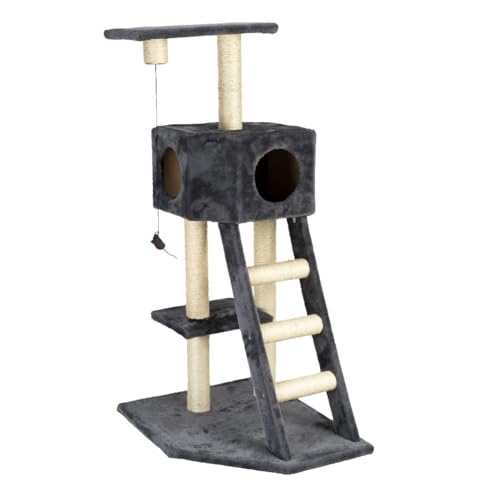
Instead of popcorn, offer your cat a treat that is actually good for them. Freeze-dried meat treats (like chicken or salmon) are high in protein and low in carbs, matching a cat’s natural diet. Small pieces of cooked, unseasoned chicken or turkey are also great options. Some cats enjoy a tiny bit of plain, canned pumpkin (not pie filling) for fiber. If you want to keep your cat entertained while you snack, try distracting them with a cat tree or a puzzle toy filled with their favorite kibble. This keeps them busy and away from your bowl. For hydration, a cat water fountain can encourage drinking, which is especially important if they eat dry treats.
What to Do If Your Cat Eats Bad Popcorn
If your cat sneaks a piece of buttered or salted popcorn, do not panic. A single piece is unlikely to cause major harm, but watch for signs of distress like vomiting, diarrhea, lethargy, or excessive thirst. If they eat a large amount of seasoned popcorn, or if the popcorn contained garlic or onion powder, call your vet or a pet poison hotline immediately. Keep the packaging handy so you can tell the vet exactly what was in the popcorn. Symptoms of toxicity may not show up for a few hours, so monitor your cat closely. For safe travel to the vet if needed, a sturdy cat carrier is essential for keeping your cat calm and secure.
Cats cannot taste sweetness, so they do not actually crave popcorn for its flavor. They are usually attracted to the smell of butter or the movement of your hand. If your cat begs for popcorn, it is likely because they want your attention, not the snack itself.
So, can cats eat popcorn? Yes, but only plain, air-popped, and in tiny amounts. Skip the butter, salt, and seasonings, and never let them eat unpopped kernels. When in doubt, stick to treats made for cats. Your cat will love you just as much for a piece of cooked chicken, and their stomach will thank you. If you have any concerns about your cat’s diet, always ask your veterinarian for personalized advice.