You are standing in your kitchen, scooping the guts out of a Halloween pumpkin, and your cat is weaving between your ankles, sniffing curiously. You wonder: can cats eat pumpkin seeds? It is a fair question. Many pet owners know that plain canned pumpkin is a go-to for digestive upset, but the seeds are often overlooked or tossed in the compost. The short answer is yes, cats can eat pumpkin seeds, but there are important rules about preparation, portion size, and potential risks. Let us walk through everything you need to know so you can share this crunchy snack safely.
Are Pumpkin Seeds Safe for Cats?
Plain, unsalted, roasted or raw pumpkin seeds are safe for most cats when given in small amounts. The key words are plain and unsalted. Many store-bought pumpkin seeds are coated in salt, garlic powder, onion powder, or other seasonings that are toxic to cats. Always choose raw or dry-roasted seeds with no added ingredients. Also, remove the hard outer shell (the white hull) because it is tough and can cause digestive irritation or even a blockage. The inner green seed (the pepita) is the part you want to offer. To make it easier for your cat to digest, grind the seeds into a powder or crush them into small pieces. Whole seeds can be a choking hazard, especially for smaller cats.
Health Benefits of Pumpkin Seeds for Cats
Pumpkin seeds are a nutrient-dense food. They contain fiber, which can help regulate your cat’s digestion, and healthy fats like omega-3 and omega-6 fatty acids that support a shiny coat and healthy skin. The seeds also provide antioxidants such as vitamin E and carotenoids, which help fight free radicals. Additionally, pumpkin seeds are a natural source of zinc, an important mineral for immune function and skin health. Some owners find that a small sprinkle of ground pumpkin seeds on food helps with mild constipation or hairball management. However, they are not a cure-all. If your cat has chronic digestive issues, it is better to address the root cause with your veterinarian. For cats with allergies or sensitivities, a best cat probiotic for cats with allergies may be a more targeted option to support gut health.
How Many Pumpkin Seeds Can a Cat Eat?
Portion control is crucial. Pumpkin seeds are calorie-dense and high in fat, so too many can cause an upset stomach, diarrhea, or weight gain. A good rule of thumb is to give no more than one teaspoon of ground seeds per day for an average 10-pound cat. Start with just a pinch (a quarter teaspoon) to see how your cat tolerates it. If your cat has a sensitive stomach or a history of pancreatitis, skip the seeds entirely and talk to your vet. Remember, treats should never make up more than 10% of your cat’s daily calories. The rest should come from a balanced, species-appropriate diet.
Pumpkin seeds are sometimes called pepitas, which comes from the Spanish word for “little squash seed.” In many cultures, they are roasted and eaten as a snack, but for cats, they should always be plain and crushed.
How to Prepare Pumpkin Seeds for Your Cat
Preparation is simple. If you are using fresh seeds from a pumpkin, rinse them thoroughly to remove any pulp, then dry them on a paper towel. Spread them on a baking sheet and roast at 300°F for about 10 minutes (no oil, no salt). Let them cool completely. Once cool, remove the hard white outer shell. You can do this by cracking them gently with a rolling pin or your fingers. Then grind the inner green seeds in a coffee grinder, spice grinder, or mortar and pestle until they become a fine powder. Store the powder in an airtight container in the fridge for up to a week. Sprinkle the powder over your cat’s wet or dry food. Some cats love the nutty taste, while others may turn up their nose. If your cat refuses it, do not force it. There are plenty of other safe treats.
Potential Risks and When to Avoid Pumpkin Seeds
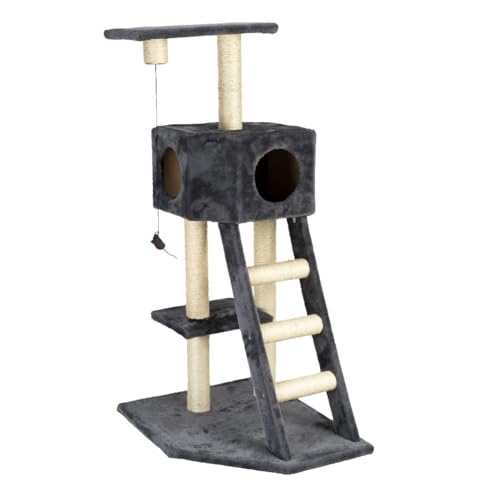
While pumpkin seeds are safe for most cats, there are a few situations where you should avoid them. Do not feed whole seeds, as they can cause choking or intestinal blockage. Do not feed seasoned seeds, especially those with garlic or onion powder, which are toxic to cats. If your cat has a history of pancreatitis, kidney disease, or is overweight, the fat content in seeds may be problematic. Also, some cats are simply allergic to squash seeds, so watch for signs like itching, vomiting, or diarrhea after introducing them. If you notice any adverse reaction, stop immediately and contact your veterinarian. For cats with environmental or food allergies, managing their environment is also important. A cat tree that works best for cats with allergies can help reduce dust and dander exposure, which complements a healthy diet.
“A tiny sprinkle of ground pumpkin seed can be a gentle helper for your cat’s digestion, but it is not a substitute for a balanced diet and regular vet checkups.”
Can Pumpkin Seeds Help With Worms or Parasites?
You may have heard that pumpkin seeds have natural deworming properties. There is some truth to this: pumpkin seeds contain cucurbitacin, an amino acid that can temporarily paralyze certain intestinal parasites like tapeworms and roundworms, making it easier for the body to expel them. However, this effect is mild and inconsistent. It should never replace veterinary-prescribed deworming medication. If you suspect your cat has worms, take a stool sample to your vet for proper diagnosis and treatment. Using pumpkin seeds as a preventive or supplement is fine, but rely on proven treatments for active infestations. Keeping your cat’s living space clean also helps reduce parasite exposure. A pet odor eliminator that works best for multi-cat homes can help you maintain a fresh, sanitary environment while you manage your cat’s health.
Frequently Asked Questions
Here are answers to common questions cat owners have about pumpkin seeds.
Can cats eat pumpkin seed shells?
No, you should remove the hard white outer shell before giving pumpkin seeds to your cat. The shell is tough and can cause digestive upset, choking, or even an intestinal blockage. Only offer the soft green inner seed (pepita), preferably crushed or ground.
Can kittens eat pumpkin seeds?
Kittens have very sensitive digestive systems and small throats. It is best to avoid giving pumpkin seeds to kittens under six months old. If you want to try, ask your vet first and only offer a tiny pinch of ground seed mixed into their food.
Are pumpkin seeds good for cats with diarrhea?
The fiber in pumpkin seeds can help firm up loose stools in some cats, but it is not a guaranteed remedy. For acute diarrhea, it is safer to withhold all treats and consult your vet. Plain canned pumpkin (not the seeds) is often recommended for mild digestive upset.
Can cats eat pumpkin seeds from a pumpkin you carve?
Yes, but only if you clean them thoroughly, remove the pulp, roast them plain (no oil or salt), and remove the outer shell. Fresh seeds from carving pumpkins are safe as long as they are not moldy or slimy. Discard any that look spoiled.
Can pumpkin seeds replace dewormer for cats?
No. Pumpkin seeds have mild anti-parasitic properties, but they are not strong enough to treat an active worm infestation. Always use vet-prescribed deworming medications for confirmed cases. Pumpkin seeds can be a supportive supplement, not a replacement.
How do I store ground pumpkin seeds for my cat?
Store ground pumpkin seeds in an airtight container in the refrigerator for up to one week. For longer storage, keep them in the freezer for up to three months. The oils in the seeds can go rancid quickly at room temperature, so refrigeration is best.
Pumpkin seeds can be a healthy, occasional treat for your cat when prepared correctly. Start small, watch for any reactions, and always prioritize your cat’s regular balanced diet. If you have any concerns about your cat’s health or diet, your veterinarian is the best resource for personalized advice.