You’re enjoying a handful of walnuts while your cat gives you those big, curious eyes. It’s tempting to share, but before you do, you need to know: can cats eat walnuts? The short answer is a firm no. Walnuts are not safe for cats and can cause serious health problems. Let’s break down exactly why, what symptoms to watch for, and what you can give your cat instead.
Why Walnuts Are Dangerous for Cats
Walnuts contain several compounds that are toxic to cats. The biggest concern is a mycotoxin called penitrem A, which is produced by certain molds that can grow on walnuts, especially if they’re old or not stored properly. This toxin can cause neurological symptoms like tremors, seizures, and even temporary paralysis. Even fresh, mold-free walnuts are risky because they are high in fat. Cats’ digestive systems are not designed to handle large amounts of fat, which can lead to vomiting, diarrhea, and a painful condition called pancreatitis. Additionally, walnuts are a choking hazard and can cause intestinal blockages if swallowed whole.
Signs Your Cat May Have Eaten a Walnut
If your cat sneaks a walnut, watch for these symptoms within 12 to 24 hours: vomiting, diarrhea, lethargy, loss of appetite, drooling, or unusual behavior like stumbling or twitching. In more severe cases, especially if mold was present, you might see tremors or seizures. If you notice any of these signs, contact your veterinarian immediately. It’s always better to be safe and call even if you’re not sure. Keep your vet’s number handy and consider storing your walnuts in a sealed container out of reach, just like you would with other calming aids for your cat’s environment.
What to Do If Your Cat Eats a Walnut
First, don’t panic. If you saw your cat eat a walnut, remove any remaining pieces from their reach. Check the walnut for signs of mold (dark spots, powdery coating, or a musty smell). Call your vet or a pet poison helpline immediately and tell them what happened, including the approximate amount and whether the walnut looked moldy. Do not try to induce vomiting unless your vet specifically tells you to. Your vet may recommend bringing your cat in for an examination, especially if they show any symptoms. In many cases, if the walnut was fresh and your cat only ate a small piece, they may just have a mild upset stomach, but it’s not worth the risk.
Never feed your cat walnuts, macadamia nuts, or any other nuts that are high in fat or prone to mold. Stick to cat-safe treats like freeze-dried meat or commercial cat snacks. If you’re looking for healthy options, check out our expert picks for freeze-dried turkey cat treats.
Safe Alternatives to Walnuts for Cats
Cats are obligate carnivores, meaning their diet should be almost entirely meat-based. Instead of nuts, offer them a small piece of cooked, unseasoned chicken, turkey, or fish. You can also give them commercial cat treats that are specifically formulated for their nutritional needs. For a crunchy texture, consider a small amount of freeze-dried meat or a cat-safe dental treat. If your cat seems bored with their usual food, you can try rotating their meals or using a puzzle feeder to make mealtime more engaging. A healthy diet and proper indoor hairball cat food can also help reduce digestive issues.
How to Prevent Your Cat from Eating Walnuts
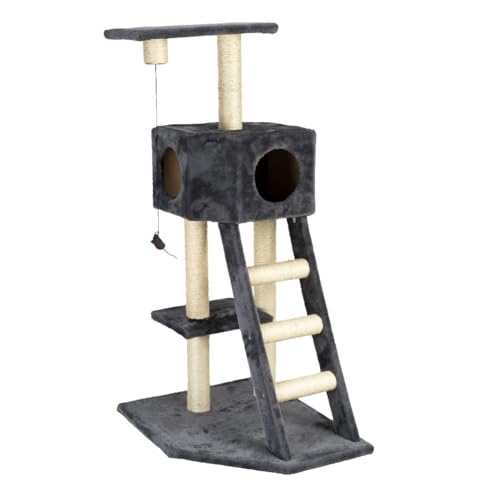
Prevention is the best strategy. Store all nuts, including walnuts, in sealed containers in a pantry or cabinet that your cat cannot open. Be mindful during holiday baking or parties when nuts are often left out in bowls. If you have a cat that likes to jump on counters, consider using a cat scratching post near the kitchen to redirect their climbing energy. Also, teach family members and guests not to feed your cat human food without checking with you first. A little awareness goes a long way in keeping your cat safe.
“When in doubt, leave it out. Your cat’s health is worth more than a moment of shared snacking.”
Frequently Asked Questions About Cats and Walnuts
Many cat owners wonder about other nuts and seeds too. For example, peanuts are generally safer but still high in fat and should only be given in tiny amounts and unsalted. Almonds are also not recommended because they can be a choking hazard and are hard to digest. The safest rule is to stick to cat-specific treats and consult your vet before introducing any new human food into your cat’s diet. If you’re looking for ways to keep your cat active and entertained, a cat backpack carrier with a bubble window can be a fun way to explore the outdoors safely.