You are sitting on the couch with a cheese plate, and your dog gives you that look. You know the one, the soft head tilt and the big, hopeful eyes. It is tempting to toss a cube of cheddar their way, but you hesitate. Can dogs have cheese as a treat? The short answer is yes, for most dogs, cheese can be a fine occasional snack. But there are some important things to know about lactose, fat, and salt before you make it a habit. Let us break down exactly how to share cheese safely with your pup.
Is Cheese Safe for Dogs? The Lactose Factor
Many people assume all dogs are lactose intolerant, but that is not quite true. Puppies are born with the enzyme lactase to digest their mother’s milk, and many adult dogs still produce some lactase, just in smaller amounts. Hard, aged cheeses like cheddar, Parmesan, and Swiss have very little lactose because the aging process breaks it down. That makes them much safer than a glass of milk or a slice of fresh mozzarella. Soft, fresh cheeses like cottage cheese or cream cheese have more lactose, so they can cause gas, bloating, or diarrhea in sensitive dogs. If your dog has a sensitive stomach, start with a tiny piece of hard cheese and watch for any upset. If they react poorly, skip the cheese and try a low-lactose option like plain cottage cheese in very small amounts, or stick to dog-specific treats.
How Much Cheese Can You Give a Dog?
Cheese is high in fat and calories, so portion control is key. A good rule of thumb is that treats should make up no more than 10 percent of your dog’s daily calories. For a medium-sized dog, that might mean a one-inch cube of cheddar once or twice a week. For a small dog like a Chihuahua, a single shred of cheese is plenty. Overdoing it can lead to weight gain and pancreatitis, a painful inflammation of the pancreas. If your dog is already on a weight management plan, you might want to skip cheese entirely and use a small piece of carrot or green bean as a low-calorie reward. And if you have a larger, active breed that needs to stay cool during summer play, you can freeze small cheese cubes inside a cooling mat for a refreshing, slow-release snack.
Hard cheeses like aged cheddar and Parmesan contain almost zero lactose, often less than 0.1 grams per serving. That is why many dogs who cannot drink milk can still enjoy a small piece of cheese without any trouble.
Which Cheeses Are Best for Dogs?
Not all cheese is created equal for your pup. Stick to plain, low-sodium varieties. Good choices include cheddar, Swiss, Gouda, and mozzarella in small amounts. Avoid blue cheeses like Roquefort or Gorgonzola because they contain a compound called roquefortine that can be toxic to dogs in large amounts. Also skip any cheese with added garlic, onion, chives, or herbs, as those ingredients are toxic to dogs. Processed cheese products like cheese slices, cheese spreads, and cheese powders are often loaded with salt, preservatives, and artificial flavors that can upset your dog’s stomach or cause excessive thirst. If you want to use cheese as a training reward, try cutting it into tiny pea-sized pieces. That way you can give multiple rewards without overloading on calories. For dogs that need to eat more slowly, you can also hide a small cheese cube inside a slow feed dog bowl to make mealtime more engaging.
When Should You NOT Give Cheese to Your Dog?
There are some situations where cheese is a bad idea. Dogs with known pancreatitis, a history of bladder stones, or those on a strict low-fat diet should not have cheese. Also, if your dog is lactose intolerant, you will see signs like gas, diarrhea, or vomiting within a few hours of eating cheese. Some dogs are also allergic to dairy, which can cause itchy skin, ear infections, or chronic digestive issues. If you notice any of these symptoms after giving cheese, stop and talk to your vet. For dogs with food sensitivities, you can try lactose-free cheese or small amounts of goat cheese, which is naturally lower in lactose. Always introduce any new food slowly and watch for reactions.
Can Cheese Help With Hiding Medication?
One of the best uses for cheese is as a pill pocket. Many dogs will happily swallow a piece of cheese wrapped around a pill, especially if the cheese is soft and smelly. Cream cheese or a slice of American cheese works well because it is pliable and sticks together. Just be sure the pill is fully encased so your dog does not taste it and spit it out. If your dog is on long-term medication, cheese can be a handy tool, but keep the portions tiny to avoid adding too many extra calories to their diet. For dogs that need a more structured feeding routine, consider using a raised dog bowl to help them eat comfortably and reduce neck strain during meals.
“Cheese is a tool, not a staple. A tiny cube for training or pill-hiding is fine, but a whole slice every day is asking for trouble.”
Healthy Alternatives to Cheese Treats
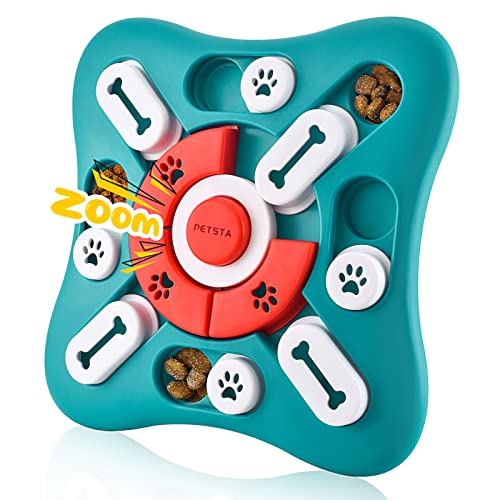
If you want to avoid cheese altogether, there are plenty of dog-safe options that offer similar satisfaction. Small pieces of cooked chicken, plain yogurt (unsweetened, no xylitol), or freeze-dried liver treats are all high-value rewards. For dogs that love crunchy snacks, try a slice of apple (no seeds) or a baby carrot. You can also stuff a puzzle toy with a smear of peanut butter (xylitol-free) or plain pumpkin puree for a fun, low-calorie challenge. The key is to keep treats varied and small so your dog stays excited without packing on pounds. Remember, your dog does not know the difference between a cheese cube and a piece of sweet potato, so choose what is healthiest for them.