You are standing in the kitchen, carving a roast chicken, and your dog is giving you that look. The one that says, “I would really love that bone.” It is tempting to toss it their way, especially since raw bones are often praised for dental health. But here is the hard truth: cooked chicken bones are a serious danger to dogs. They are brittle, they splinter, and they can cause life-threatening injuries. Let us walk through exactly why they are risky, what happens if your dog sneaks one, and what you can safely give them instead.
Why Cooked Chicken Bones Are Dangerous
When chicken bones are cooked, especially through roasting, frying, or boiling, the heat changes their structure. They become dry, brittle, and prone to shattering into sharp shards. Unlike raw bones, which are more flexible and digestible, cooked bones act like tiny knives once they break. These splinters can puncture your dog’s mouth, throat, stomach, or intestines. Even if the bone is small, the splintering effect makes it unpredictable. A seemingly harmless piece can cause a perforation, leading to a medical emergency that requires surgery.
What To Do If Your Dog Eats a Cooked Chicken Bone
If your dog snatches a cooked chicken bone off the counter or finds one in the trash, stay calm but act quickly. First, check their mouth carefully for any visible splinters or bleeding. If they are choking, coughing, or pawing at their mouth, get them to the vet immediately. If they have swallowed the bone without immediate distress, call your veterinarian for advice. Do not induce vomiting unless your vet tells you to, because the sharp shards can cause more damage coming back up. Watch for signs like vomiting, lethargy, loss of appetite, straining to poop, or blood in the stool over the next 24 to 48 hours. If any of these appear, it is a trip to the emergency vet.
“A cooked chicken bone is like a glass shard wrapped in a treat. It is never worth the risk.”
What About Raw Chicken Bones?
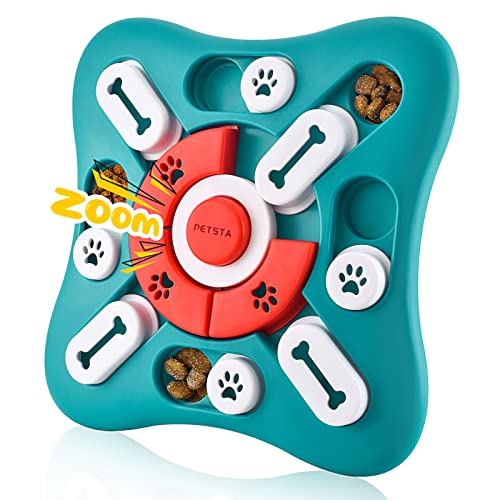
Raw chicken bones are a different story. They are softer, more flexible, and less likely to splinter. Many raw feeders give raw chicken wings or necks to their dogs as part of a balanced diet. However, raw bones still carry risks, including bacterial contamination like salmonella and the potential for a dog to break a tooth. If you are considering raw bones, talk to your vet first. And never leave your dog unsupervised with any bone, raw or cooked. For dogs that love to chew but need a safer option, consider high-quality chew toys or puzzle toys for Australian Shepherds that keep their mind busy and their mouth safe.
Safe Alternatives to Cooked Chicken Bones
Your dog wants to chew, and that instinct is natural and healthy. The key is giving them something that satisfies that urge without the danger. Look for large, raw beef or bison bones from a butcher, which are dense and not prone to splintering. You can also try rubber chew toys designed for heavy chewers, or edible chews like bully sticks, beef trachea, or yak cheese chews. If your dog is a gulper, avoid anything they can swallow whole. For dogs that tend to eat too fast, using best dog bowls for Cane Corsos with slow-feeder designs can help them pace themselves and reduce the risk of choking on any treat.
Dogs have been chewing bones for thousands of years, but the bones our ancestors gave were often raw and from large game. Modern cooking methods changed the game, and our pets are paying the price. Stick to raw or synthetic options for safe chewing.
How To Keep Your Dog Safe During Mealtime
Prevention is the best medicine. When you are cooking chicken, keep your dog out of the kitchen or in a separate room. Dispose of bones immediately in a sealed trash can or take them outside. If you have guests, remind them not to slip your dog a bone under the table. It is also smart to train a strong “leave it” command so you can redirect your dog if they grab something dangerous. After meals, a calm dog is a safe dog, so consider giving them a cooling mat to relax on, especially during warmer months when they might be more restless.
When To Call the Vet
Even with the best precautions, accidents happen. If your dog eats a cooked chicken bone and shows any of these signs, call your vet right away: repeated gagging or retching, drooling more than usual, vomiting, bloody stool, lethargy, or a hunched back that suggests abdominal pain. Your vet may recommend an X-ray to check for blockages or perforations. In some cases, the bone may pass naturally, but it is always better to be safe. Remember, you are your dog’s advocate, and trusting your gut is part of that. If something feels off, get professional help.
At the end of the day, your dog trusts you to keep them safe. Cooked chicken bones are a hard no, but there are so many wonderful, safe alternatives out there. Whether it is a durable chew toy, a raw bone under supervision, or a recommended diet for Cane Corso puppies that supports healthy growth, you have plenty of options. Your dog will thank you with a wagging tail and a safe, happy belly.