If you’ve ever watched your kitten’s nose twitch at the smell of chicken roasting in the oven, you’ve probably wondered: can kittens eat cooked chicken? The short answer is yes, plain cooked chicken can be a safe and healthy treat for most kittens. But there are important rules about how to prepare it, how much to give, and what to avoid. This guide walks you through everything you need to know to share chicken safely with your little feline.
Is Cooked Chicken Safe for Kittens?
Yes, cooked chicken is safe for kittens as long as it is plain, fully cooked, and free of bones, skin, and seasoning. Kittens are obligate carnivores, meaning their bodies are designed to digest animal protein efficiently. Chicken provides high-quality protein, essential amino acids like taurine, and B vitamins that support growth and energy. However, never feed raw chicken to a kitten due to the risk of salmonella or E. coli. Always cook the chicken thoroughly to an internal temperature of 165°F, and let it cool before serving. Avoid any added salt, garlic, onion, or spices, which can be toxic to cats. If your kitten has a sensitive stomach, start with a tiny piece the size of a pea and watch for any digestive upset.
How to Prepare Chicken for Your Kitten
Preparation is key. Start with boneless, skinless chicken breast or thigh. Boil or bake the chicken without any oil, butter, or seasonings. Once cooked, shred or dice it into very small, bite-sized pieces that your kitten can easily chew and swallow. Remove any remaining fat or connective tissue, as these can be hard to digest. For extra picky eaters, you can mix a tiny amount of shredded chicken into their regular wet food. If you’re using chicken as a training reward, keep the pieces no larger than your pinky nail. Always serve it at room temperature, never hot, to avoid burning your kitten’s mouth. And remember, chicken should only be a treat, not a meal replacement. Kittens need a complete and balanced commercial diet formulated for their growth stage.
Freeze small cubes of plain cooked chicken broth (no salt, no onion) in an ice cube tray for a cool, hydrating treat on warm days. Just make sure the broth is completely cool and strain out any solids before freezing.
How Much Cooked Chicken Can a Kitten Eat?
Portion control matters. For a kitten under six months old, a single serving should be no more than a teaspoon of shredded chicken, offered no more than two to three times per week. Overfeeding chicken can lead to nutritional imbalances, because it doesn’t contain the correct calcium-to-phosphorus ratio or the vitamins and minerals found in balanced kitten food. Too much chicken can also cause loose stools or even pancreatitis in sensitive kittens. As a general rule, treats (including chicken) should make up no more than 10% of your kitten’s daily calorie intake. If you’re unsure about your kitten’s specific needs, ask your veterinarian for guidance based on their weight and activity level.
When Should You Avoid Feeding Chicken to Your Kitten?
Avoid chicken if your kitten has a known food allergy or sensitivity to poultry. Signs of an allergic reaction include itchy skin, ear infections, vomiting, or diarrhea after eating chicken. Also, never give your kitten chicken that has been cooked with bones, as cooked bones can splinter and cause choking, intestinal blockages, or internal tears. If your kitten is on a prescription diet for a medical condition like kidney disease or urinary crystals, check with your vet before adding any human food. And if your kitten is very young, under eight weeks old, stick strictly to kitten formula or wet food designed for weaning, as their digestive system is still developing.
“A tiny bite of plain chicken can be a wonderful bonding treat, but your kitten’s health comes first, always keep it simple and safe.”
Can Chicken Replace Kitten Food?
No, cooked chicken should never replace a complete and balanced kitten food. Commercial kitten foods are formulated with the precise levels of taurine, calcium, phosphorus, vitamin D, and other nutrients that growing kittens need. Chicken alone is deficient in these essential nutrients, and feeding it as a primary food can lead to serious health problems like skeletal deformities, heart issues, and poor growth. Think of chicken as an occasional enrichment treat, not a dietary staple. To keep your kitten hydrated and healthy, also make sure they have access to fresh, clean water at all times. A cat water fountain can encourage more drinking, which is especially helpful for kittens who are weaning onto solid food.
Other Healthy Treats and Gear for Your Kitten
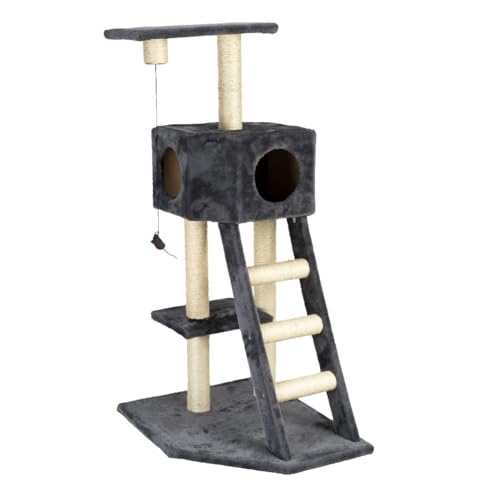
If your kitten loves chicken, you can also try small amounts of plain cooked turkey or plain scrambled eggs (no butter or milk) as occasional alternatives. Always introduce new foods one at a time. For keeping your kitten entertained and active, consider a cat tree for climbing and perching, which supports their natural instincts and helps burn off energy. Regular grooming is also important for kittens, especially if they are long-haired. A cat deshedding brush can reduce shedding and hairballs while making your kitten feel pampered. And if you travel with your kitten, a secure cat carrier is essential for safe trips to the vet or elsewhere.