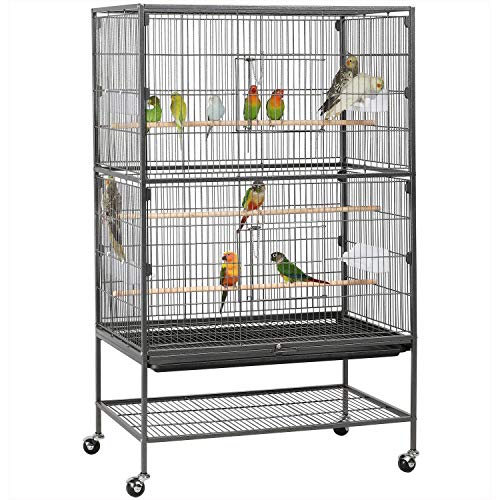
If you’ve ever watched your parakeet eyeing your apple slice with curious head tilts, you’ve probably wondered: can parakeets eat apples? The short answer is yes, apples are a safe and nutritious treat for most parakeets, including Ringnecks. But like any fruit, there are important rules to follow. Too much sugar, leftover seeds, or wax-coated skin can turn a healthy snack into a problem. In this guide, we’ll walk you through exactly how to serve apples to your parakeet, what to watch out for, and how often to offer them. Whether you’re a new parakeet parent or a seasoned owner, this will help you keep treat time both fun and safe.
Are Apples Safe for Parakeets?
Yes, apples are generally safe for parakeets when prepared correctly. The flesh of the apple is low in fat and contains vitamins A and C, plus fiber that can aid digestion. However, there are two critical dangers: the seeds and the stem. Apple seeds contain a compound called amygdalin, which can release cyanide when digested. Even a few seeds can be toxic to a small bird. Always remove every seed before offering apple to your parakeet. Also, wash the apple thoroughly to remove pesticides and wax, which are common on store-bought fruit. If you have a Ringneck Parakeet, the same rules apply, but you may want to cut the apple into slightly larger chunks to match their beak size.
Health Benefits of Apples for Parakeets
Apples are more than just a sweet treat. They offer real nutritional value for your bird. The vitamin C in apples helps support the immune system, while the antioxidants can reduce inflammation. The fiber content is gentle on the digestive tract and can help prevent minor constipation. Plus, the natural crunchiness of fresh apple slices provides a satisfying texture that many parakeets love. It also encourages foraging and beak exercise, which is mentally stimulating. Just remember, apples should be a supplement to a balanced diet of pellets, fresh vegetables, and clean water, not a replacement for their main food.
Parakeets have a natural sweet tooth. In the wild, they seek out ripe fruits as a quick energy source. A small apple slice mimics that natural foraging experience, which can reduce boredom and stress in captive birds.
How to Prepare Apple for Your Parakeet
Preparation is key to keeping your parakeet safe. Follow these simple steps every time you offer apple:
- Wash thoroughly under running water to remove any wax or pesticide residue. If possible, buy organic apples.
- Peel the skin if you are unsure about the apple’s source. While the skin is not toxic, it often holds chemicals and can be tough for small birds to digest.
- Remove all seeds and the stem. Cut the apple into quarters and pick out every seed with a knife tip.
- Slice into small, bite-sized pieces about the size of your parakeet’s beak. For smaller parakeets like budgies, aim for pieces no larger than a pea. For larger breeds like the Ringneck, you can give slightly bigger chunks.
- Serve fresh at room temperature. Remove any uneaten apple after 2 to 3 hours to prevent spoilage and bacterial growth.
How Often Can Parakeets Eat Apples?
Moderation is the golden rule. Apples contain natural sugars, and too much can lead to obesity, fatty liver disease, or digestive upset. Offer apple as a treat, not a daily staple. A good guideline is one or two small slices, two to three times per week. If your parakeet is on a mostly seed-based diet, cut back on fruit treats even more. If you notice your bird’s droppings becoming loose or watery after eating apple, reduce the portion size or frequency. Always monitor your bird’s reaction to new foods. If you have a Ringneck Parakeet, their larger size means they can handle a slightly bigger piece, but the same frequency rules apply.
“A slice of apple a couple times a week is a joy, not a meal. Treats are the sprinkle on top of a healthy diet, not the cake itself.”
Can Parakeets Eat Apple Skin and Core?
It’s best to avoid the core entirely. The core contains the seeds and a woody texture that is hard for parakeets to digest. The skin is safe if the apple is organic and thoroughly washed, but many commercial apples are coated in edible wax that can be difficult for a small bird’s system to process. If you choose to leave the skin on, make sure to scrub the apple with a vegetable brush and warm water. For extra caution, especially if your bird has a sensitive stomach, peeling the apple is the safest choice. Some parakeets prefer the texture of peeled apple, so it can also encourage picky eaters to try it.
Signs Your Parakeet Ate Too Much Apple
Even with the best intentions, your parakeet might sneak a bit too much apple. Watch for these signs of overindulgence: loose or watery droppings, decreased appetite for their regular food, or a lethargic demeanor. If you notice any of these, remove the apple and offer only their normal diet and fresh water for a day or two. If symptoms persist, or if you suspect your bird ingested apple seeds, contact your avian veterinarian immediately. Prevention is always better than cure, so stick to the recommended serving sizes. If your parakeet shows other concerning symptoms like fluffed feathers or changes in vocalization, check our guide on Signs Of Illness In Ringneck Parakeet for more information.
Other Fruits Parakeets Can Eat
Apples are a great start, but variety is important for a balanced diet. Other safe fruits include blueberries, strawberries, bananas (without the peel), mango, and melon. Always remove pits and seeds from any fruit. Avoid avocado, which is toxic to birds, and limit citrus fruits like oranges and lemons due to their high acidity. Introduce new fruits one at a time and watch for any adverse reactions. A colorful mix of safe fruits can make your parakeet’s diet more interesting and nutritious. For more guidance on keeping your bird healthy and happy, you might also find the article on Ringneck Parakeet Lifespan helpful, as diet plays a big role in longevity.