You love sharing your meals with your parakeet, and that little head tilt when you walk into the kitchen is hard to resist. But when it comes to avocado, the answer is a firm no. Avocado is one of the most dangerous foods for parakeets, and even a small bite can cause serious health problems. Here is everything you need to know to keep your feathered friend safe.
Why Avocado Is Toxic to Parakeets
The danger in avocado comes from a natural fungicidal toxin called persin. Persin is found in the fruit, pit, skin, and leaves of the avocado plant. While some mammals can tolerate small amounts, parakeets have a severe sensitivity to it. Even a tiny nibble can cause respiratory distress, heart muscle damage, and sudden death. There is no safe way to prepare avocado for your bird. No peeling, no cooking, no removing the pit. If it came from an avocado plant, it stays far away from your parakeet’s cage.
If you suspect your parakeet has eaten any part of an avocado, contact an avian veterinarian immediately. Time is critical. Do not wait for symptoms to appear.
What Happens If a Parakeet Eats Avocado? Symptoms to Watch For
If your parakeet accidentally eats avocado, symptoms can show up within a few hours. Watch for these signs: difficulty breathing, weakness or lethargy, sitting fluffed up at the bottom of the cage, inability to perch, swelling around the eyes or neck, and vomiting. The toxin attacks the heart muscle, so sudden collapse is possible. If you see any of these signs, get your bird to a vet right away. Do not try home remedies or wait to see if they get better.
Safe Fruits and Vegetables Your Parakeet Can Eat
Just because avocado is off the table does not mean your parakeet has to miss out on tasty treats. Parakeets love a variety of fresh produce that is perfectly safe. Offer small pieces of apple (no seeds), banana, blueberries, strawberries, mango, and melon. For vegetables, try dark leafy greens like kale and spinach, chopped carrots, bell peppers, broccoli, and peas. Always wash produce thoroughly and remove any seeds or pits. Introduce new foods one at a time to see how your bird reacts. For a curated list of safe, healthy options, check out our guide to Parakeet Treats Your Bird Will Love: 5 Top Picks for Every Budget.
What About Avocado Oil or Guacamole?
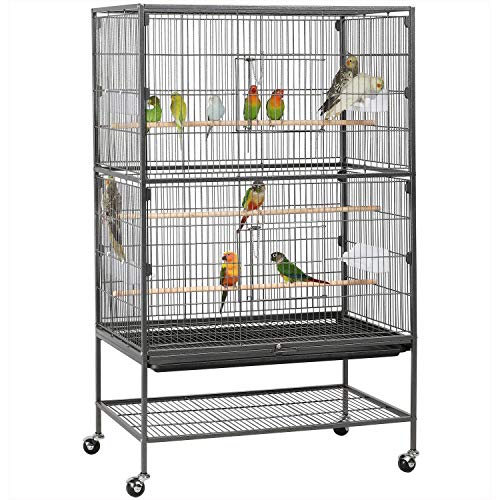
No. Avocado oil is highly concentrated, so it is even more dangerous than the fruit itself. Guacamole contains avocado plus other ingredients like onion and garlic, which are also toxic to parakeets. Salt, lime juice, and spices in guacamole add more risks. Keep all avocado-based products, including skin care products like avocado lotion or hair masks, away from your bird. If you are eating avocado or guacamole, make sure your parakeet is in a separate room or safely inside their cage. A secure, well-ventilated Best Parakeet Cages 2026: Wide Designs with Safe Spacing can give you peace of mind while you enjoy your own snack.
“A single bite of avocado can stop a parakeet’s heart. It is not worth the risk, no matter how much they beg.”
How to Bird-Proof Your Kitchen and Dining Area
Parakeets are curious and quick. They can land on your plate before you blink. To prevent accidental avocado exposure, never let your parakeet roam free on the counter while you are preparing food. Keep avocado bowls covered. Wash your hands after handling avocado before you touch your bird or their food dishes. If you have multiple birds, remember that avocado toxicity affects all parrot species, not just parakeets. When you travel with your bird, pack their own safe snacks. A Small Bird Carrier Review: 5 Best Picks for 2026 can help you keep your bird safe and comfortable on the go, with no chance of them sneaking a bite of your lunch.
What to Feed Instead: Healthy Treats and Foraging Fun
Parakeets thrive on variety. Instead of avocado, offer your bird a mix of fresh chop, sprouted seeds, and the occasional healthy treat from the store. Many parakeets enjoy millet sprays, which are a great reward for training. You can also make foraging toys by hiding small pieces of safe fruit or veggie in a paper cup or inside a clean, untreated pine cone. This keeps their mind active and satisfies their natural instinct to search for food. For a list of vet-recommended treats that are both safe and exciting, see our Parakeet Treats Your Bird Will Love: 5 Top Picks for Every Budget. And if you are setting up a new cage for your parakeet, adding natural wood perches can make meal time more comfortable. Browse the Natural Bird Cage Perches: 5 Best Reviewed for 2026 to find safe, foot-friendly options.
Wild parakeets in their native Australia never encounter avocado. Their natural diet consists of grass seeds, fruits, and blossoms. Your pet parakeet’s body is not adapted to handle the persin toxin found in avocados.
Remember, when in doubt about any food, ask your avian vet. They can give you a personalized list of safe foods for your specific bird. Your parakeet depends on you to make the right choices, and now you know that avocado is one food that should never be on the menu.