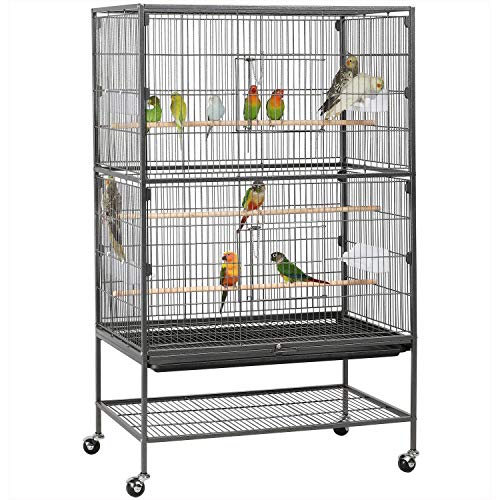
You’re sitting at the kitchen table, tearing off a piece of toast, and your parakeet cocks his head, watching you with those bright, curious eyes. It’s tempting to share a crumb. But can parakeets eat bread without harming them? The short answer is yes, but with some important caveats. Bread is not toxic to parakeets, but it’s also not a natural part of their diet. In the wild, parakeets eat seeds, fruits, and vegetation, not processed grains. So, if you’re thinking about offering a small piece of bread, you need to know exactly what kind is safe, how much is too much, and what signs to watch for. This guide will walk you through everything you need to know, so you can share a snack without the worry.
Is Bread Safe for Parakeets? The Simple Answer
Yes, plain bread is safe for parakeets in very small amounts. The key word here is plain. A tiny crumb of whole wheat or white bread, no bigger than your parakeet’s beak, won’t cause immediate harm. However, bread is mostly empty calories for birds. It fills them up without providing the essential vitamins and minerals they need. Think of it like giving a child a piece of candy: it’s okay occasionally, but it should never replace a balanced meal. If you decide to offer bread, make it a rare treat, not a staple. And always check the ingredients first. Avoid anything with added sugar, salt, honey, or artificial preservatives. Those additives can be harmful to your bird’s tiny body.
What Kind of Bread Can Parakeets Eat?
Not all breads are created equal when it comes to your feathered friend. Here’s a quick breakdown of what’s safe and what to avoid:
- Whole wheat bread: This is the best choice if you’re going to give bread at all. It has more fiber and nutrients than white bread. Look for a brand with minimal ingredients, ideally just whole wheat flour, water, and yeast.
- White bread: It’s not toxic, but it’s highly processed and offers almost no nutritional value. If you give white bread, make sure it’s plain and give only a tiny crumb.
- Sourdough: Plain sourdough is generally okay in small amounts, but the fermentation process can make it slightly acidic. A tiny piece now and then is fine, but don’t make it a habit.
- Rye or pumpernickel: These are denser and often contain caraway seeds or other spices. Avoid these unless you know exactly what’s in them, as some spices can upset a bird’s stomach.
- Bread with seeds or nuts: While seeds are good for parakeets, the bread itself is still processed. Plus, some nut pieces can be a choking hazard. It’s safer to stick to plain bread.
If you’re unsure about a specific type, the safest rule is: if you wouldn’t eat it plain, don’t give it to your bird. And when in doubt, skip it.
Why Bread Can Be Problematic for Parakeets
Bread might seem harmless, but there are a few real risks you need to know about. First, bread is high in carbohydrates and low in protein and fat, which are essential for a parakeet’s energy and feather health. Feeding too much bread can lead to weight gain and nutritional deficiencies. Second, bread can expand in the stomach. If your parakeet eats a large piece, it could swell and cause digestive blockage. That’s why you must always tear the bread into very tiny pieces, no bigger than a pea. Third, mold is a serious danger. Bread goes stale and moldy quickly, and mold produces toxins that are lethal to birds. Never offer bread that’s even slightly past its prime. If you’re not sure, throw it out. It’s not worth the risk.
Also, consider that bread is not a natural part of a parakeet’s diet. Their bodies are designed to process seeds, fruits, and vegetables. Processed grains can be harder for them to digest, especially if given in large amounts. A tiny crumb is fine, but a whole slice is not. If you’re looking for healthy treat options, focus on fresh produce like leafy greens, carrots, and small pieces of apple. These are much better for your bird’s overall health.
How to Safely Feed Bread to Your Parakeet
If you’ve decided to give your parakeet a tiny piece of bread, here’s how to do it right:
- Choose the right bread: Opt for plain, whole wheat bread with no added sugar, salt, or preservatives. Check the label carefully.
- Tear off a tiny piece: The piece should be about the size of your parakeet’s beak, maybe a little smaller. A thumbnail-sized crumb is more than enough.
- Moisten it slightly: Dry bread can be crumbly and hard to swallow. You can dip the piece in a little water to soften it, making it easier for your bird to eat.
- Offer it as a treat: Give the bread piece by hand or in a separate dish, not mixed with their regular food. This way, you can monitor how much they eat.
- Watch for reactions: After your parakeet eats bread, observe them for a few hours. If you notice any changes in droppings, lethargy, or loss of appetite, stop giving bread and consult your vet.
Parakeets are naturally curious and love to explore new textures. Some birds will happily nibble on a piece of bread, while others will ignore it completely. That’s perfectly normal. Don’t force it if your bird isn’t interested.
Healthier Alternatives to Bread for Parakeets
Instead of bread, consider offering your parakeet foods that are closer to what they’d find in the wild. Fresh vegetables like spinach, kale, and broccoli are packed with vitamins. Fruits like apple slices (without seeds), berries, and melon are sweet and hydrating. You can also offer cooked grains like quinoa or brown rice, which are more nutritious than bread. These options provide real nutritional value without the empty calories. If you’re looking for a crunchy treat, try a small piece of plain, unsalted cracker or a whole grain cereal, but again, only in moderation.
Remember, a balanced diet is the key to a happy, healthy parakeet. Their main diet should be a high-quality pellet or seed mix, supplemented with fresh foods. Treats like bread should be just that: a treat. If you’re ever unsure about what to feed your bird, talk to your vet. They can give you personalized advice based on your parakeet’s age, health, and activity level.
“A crumb of bread is a moment of joy, but a bowl of greens is a lifetime of health.”
Signs Your Parakeet Ate Too Much Bread
If your parakeet manages to sneak a bigger piece of bread than you intended, watch for these signs of trouble: vomiting, diarrhea, loss of appetite, or a swollen abdomen. These could indicate a digestive blockage or an adverse reaction to an ingredient. In most cases, a small piece won’t cause issues, but if you see any of these symptoms, contact your vet immediately. It’s always better to be safe and get professional advice. Also, keep an eye on their droppings. Changes in color or consistency can be an early warning sign. If you’re concerned, take a photo of the droppings to show your vet.
If your parakeet is prone to overeating or has a sensitive stomach, you might want to avoid bread altogether. Some birds have a harder time digesting processed grains. In that case, focus on fresh, whole foods that are easier on their system. And remember, a happy bird is one that’s active, vocal, and engaged. If you’re spending time with your parakeet, try training them to talk instead of sharing your toast. It’s a much healthier way to bond.
Bread and Parakeet Behavior
Interestingly, the way you offer bread can affect your parakeet’s behavior. If you always share your food at the table, your bird might start begging for every meal. That can be cute, but it also encourages unhealthy eating habits. Instead, use treat time as a training opportunity. Offer a tiny piece of bread when your parakeet does a trick or steps up onto your finger. This reinforces positive behavior and keeps treats special. If you’re struggling with behavioral issues like biting, it’s often related to diet and routine. Check out our guide on why parakeets bite for more insights. Sometimes, a change in diet can make a big difference in their mood.
Also, consider your parakeet’s overall environment. A bird that’s bored or stressed is more likely to overeat or develop bad habits. Make sure they have plenty of toys, social interaction, and a comfortable cage. If you’re unsure about their housing, our cage size guide can help you create a better space. A happy, stimulated bird is less likely to fixate on food.
In the end, bread is not a necessary part of your parakeet’s diet, but it can be a fun treat if done safely. Just remember: tiny pieces, plain bread, and always fresh. When in doubt, ask your vet. Your parakeet’s health is worth the extra care.