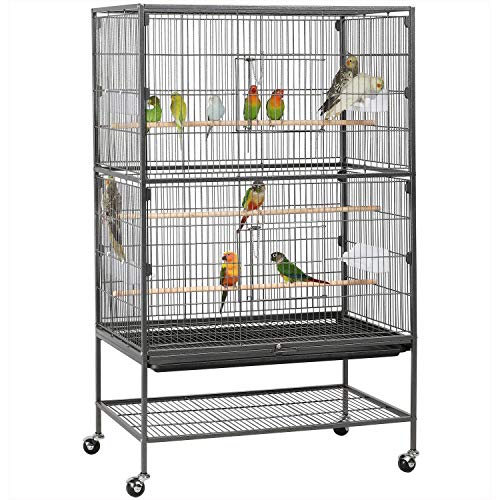
If you’ve ever watched your parakeet eyeing your salad with curiosity, you might wonder, can parakeets eat cucumber? The short answer is yes, cucumber is safe for parakeets and can be a refreshing, hydrating snack, especially on warm days. But like any treat, it’s not a free-for-all. You need to know how to prepare it, how much to offer, and what to watch out for. This guide walks you through everything, so you can feel confident adding cucumber to your bird’s bowl without any guesswork.
Is Cucumber Safe for Parakeets?
Cucumber is not toxic to parakeets, and it’s actually a great way to add moisture to their diet. It’s over 95% water, which makes it a fantastic hydrating treat, particularly if your parakeet is a picky drinker. The flesh is soft and easy to chew, which is perfect for birds of all ages. However, the skin can be a bit tough for smaller parakeets, and the seeds are harmless but can be a choking hazard if the cucumber is overripe. So, while it’s safe, you do need to prepare it thoughtfully.
When you’re introducing any new food, it’s always a good idea to start small. Offer a tiny piece and watch how your bird reacts. If they ignore it, try again another day. If they gobble it up, you can gradually include it in their regular fresh food rotation. Just remember, treats like cucumber should never replace their main diet of high-quality pellets and seeds.
How to Prepare Cucumber for Your Parakeet
Preparation is key to making cucumber a safe and enjoyable snack. Here’s a step-by-step approach:
- Wash thoroughly: Even if you plan to peel it, wash the cucumber under running water to remove any pesticide residue or dirt.
- Peel it: The skin can be tough and may be hard for a parakeet to digest. Peeling it makes the cucumber easier to eat and reduces the risk of digestive upset.
- Remove the seeds: The seeds are not toxic, but they can be a choking hazard, especially if the cucumber is older and the seeds are large. Scoop them out with a spoon.
- Slice into small pieces: Cut the cucumber into small, bite-sized chunks, about a quarter-inch thick. This makes it easy for your parakeet to hold and eat without struggling.
- Serve fresh: Only offer a small amount at a time and remove any uneaten cucumber after a few hours to prevent spoilage.
If you’re looking for more ways to keep your parakeet engaged and healthy, you might also want to check out our guide on whether ringneck parakeets make good pets, which covers broader care and bonding tips.
How Much Cucumber Can a Parakeet Eat?
Portion control is important. Cucumber is mostly water, so it’s not very nutrient-dense, but that doesn’t mean you should let your bird fill up on it. A good rule of thumb is to offer a couple of small slices, about the size of your thumbnail, two to three times a week. This ensures your parakeet gets the hydration and variety without compromising their intake of essential nutrients from their regular food.
Overfeeding cucumber can lead to watery droppings, which is not a health concern per se, but it can be a sign that your bird is getting too much water and not enough solid food. Also, because cucumber is low in calories, it won’t contribute much to your bird’s energy needs, so it’s best used as a treat, not a staple.
Cucumber is a member of the gourd family, along with pumpkins and squash. But unlike those, it’s typically eaten unripe and has a much higher water content, making it a natural hydration booster for your parakeet.
Nutritional Benefits of Cucumber for Parakeets
While cucumber isn’t packed with vitamins, it does offer some benefits. It contains small amounts of vitamin C, vitamin K, and potassium, which can support your bird’s immune system and bone health. The high water content also helps with digestion and can be especially beneficial if your parakeet is prone to constipation. Plus, the crunchiness provides a little bit of beak exercise, which is good for keeping their beak trim and healthy.
However, don’t rely on cucumber as a primary source of nutrition. Parakeets need a balanced diet of seeds, pellets, and leafy greens. Cucumber is a nice supplement, but it shouldn’t replace more nutrient-rich vegetables like kale, broccoli, or carrots.
Potential Risks and What to Watch For
Even though cucumber is safe, there are a few things to keep in mind. First, always wash the cucumber to remove any pesticides. Organic is best, but if you can’t get organic, a good scrub will do. Second, as mentioned, peel it and remove seeds to prevent any choking risk. Third, introduce cucumber gradually, especially if your parakeet has never had it before. Sudden dietary changes can cause digestive upset.
If you notice your parakeet having loose stools after eating cucumber, cut back on the amount or frequency. Also, if your bird seems disinterested or even scared of the green treat, don’t force it. Some birds take time to accept new foods. You can try hanging a slice from the cage bars or mixing it with other favorite veggies to encourage them to try it.
It’s also worth noting that if you have a ringneck parakeet, their dietary needs are similar but they can be a bit more sensitive to new foods. You might want to read about ringneck parakeet lifespan and general care to understand how diet impacts their long-term health.
“A little cucumber goes a long way in keeping your parakeet happy and hydrated, but it’s the variety in their diet that truly makes them thrive.”
Can Parakeets Eat Cucumber Every Day?
Technically, they can, but it’s not recommended. Daily cucumber can lead to a decrease in appetite for more nutritious foods, and the high water content might cause your parakeet to feel full without getting enough calories. Aim for two to three times a week as a treat. On other days, offer a mix of dark leafy greens, bell peppers, and other bird-safe vegetables to provide a broader range of nutrients.
Remember, fresh water should always be available, but cucumber can be a fun way to add variety and hydration. If you’re ever unsure about your parakeet’s health or diet, it’s always a good idea to consult your avian vet. They can give you personalized advice based on your bird’s age, weight, and overall condition.
For more on keeping your parakeet healthy, you might also find it helpful to learn about signs of illness in ringneck parakeets, as early detection is key to a long, happy life.
Other Hydrating Vegetables to Try
If your parakeet loves cucumber, they might also enjoy other hydrating veggies like zucchini, celery (cut into small pieces), or bell pepper. Always introduce new foods one at a time and in small amounts. This way, you can monitor for any adverse reactions and easily identify which foods your bird likes best.
Ultimately, the key to a happy parakeet is a varied diet, fresh water, and plenty of love. Cucumber is a wonderful addition to that mix, and with the right preparation, it can be a safe and enjoyable treat for your feathered friend.